Ask anyone who’s exported food to China what stalls shipments, and the answer is rarely the fish. It’s the paper. Here’s the documentation layer, piece by piece.
The health certificate
Issued through CFIA processes, the health certificate attests your product meets China’s import requirements. It names species, form, quantities and establishments, and it must agree with everything else in the set. One certificate, one load, exact match.
Labelling and packaging marks
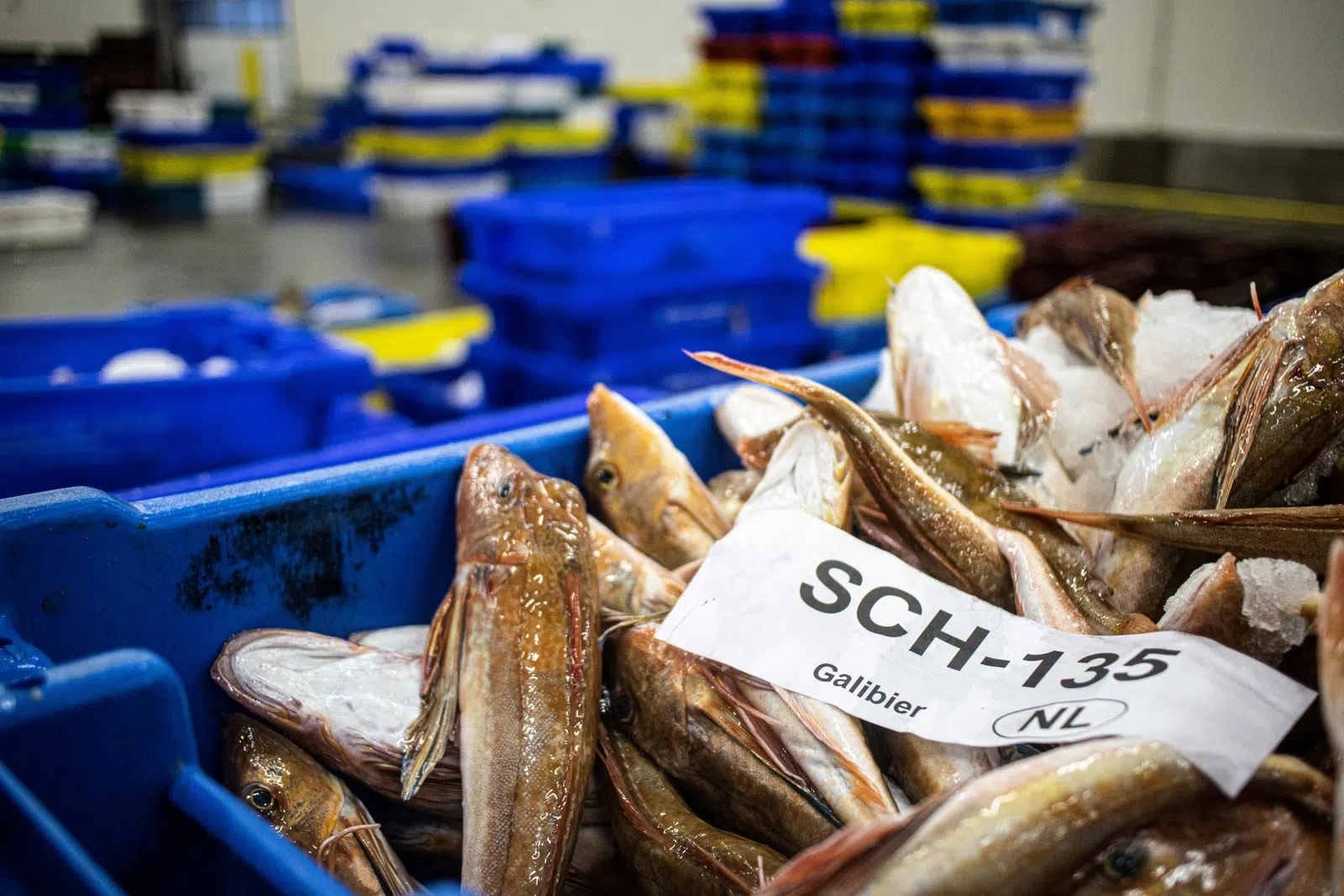
China’s requirements for aquatic products are specific: inner and outer packaging carries clear, durable marks (in Chinese plus English or the exporting country’s language) identifying the product, the production and processing establishments involved with their registration numbers, the origin, and the destination marked as the People’s Republic of China. Your GACC registration number earns its keep here; so does your CFIA establishment ID.
The code pair: HS and CIQ
Every product ships under an HS code, which drives tariff treatment, including whether your product sits inside the current tariff suspension. China extends the HS code with a CIQ code that drives inspection and quarantine handling. The pair must be right and must be consistent with the certificate and the commercial documents. This is worked out with the importer on the China side, one more reason a coordinated buyer relationship beats a cold shipment.
The discipline in one sentence
Certificate, labels, codes and load must tell exactly one story. Every document that “almost” matches is a delay you paid for.
What we do with this
For each shipment we build the documentation set, check it against the physical load and the buyer’s import requirements, and keep identifiers consistent end to end, so arrival is an acceptance, not an argument. It’s the least glamorous part of the business and the part most worth paying for. See the full export pathway.