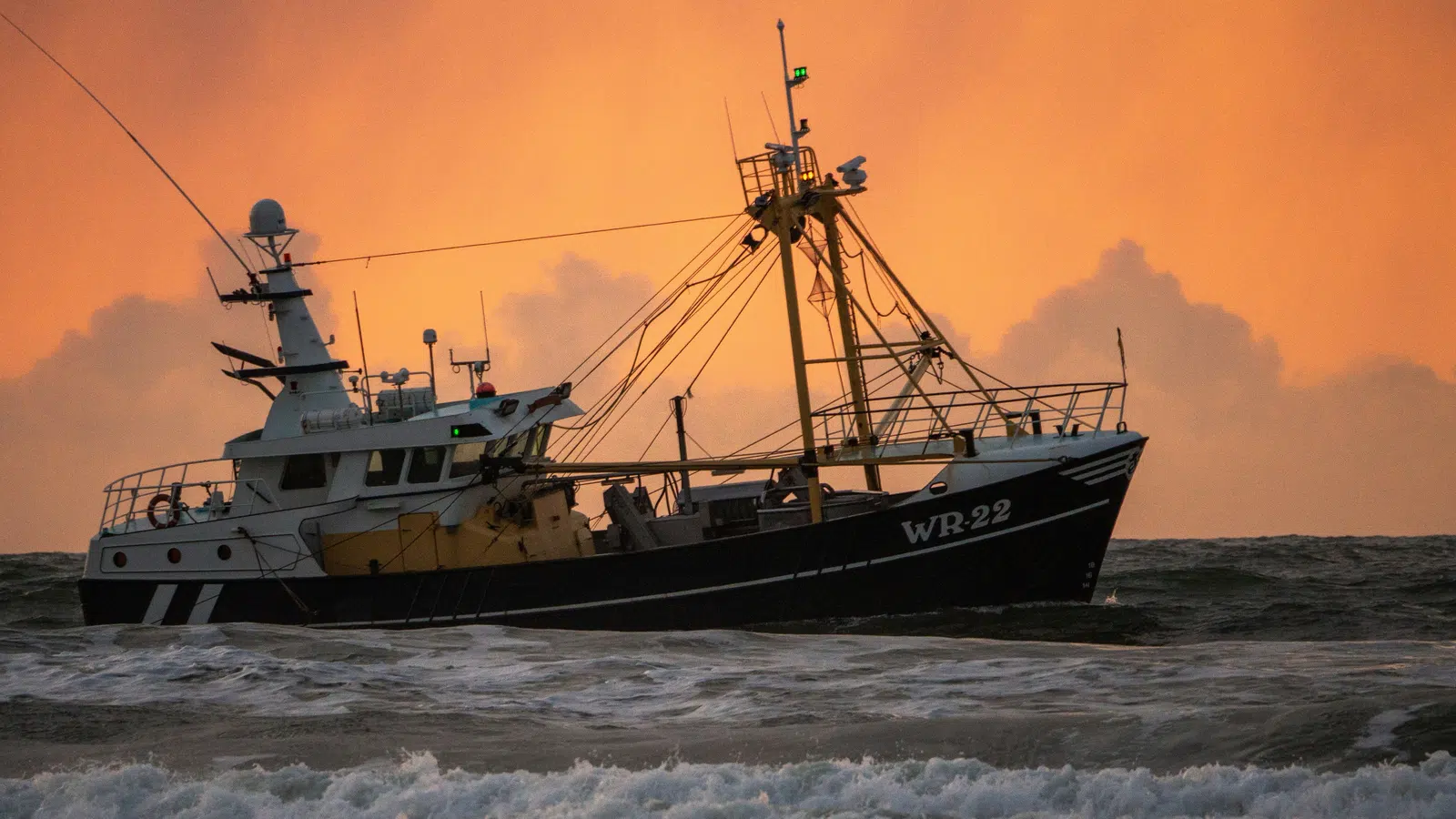
Why the buyer wants it: long ocean transit means quality has to be locked in early. Chinese importers pay for consistent frozen-at-sea product because peak freshness is captured at harvest and holds through the reefer lane. Many also reprocess it in China, so uniformity matters as much as freshness.
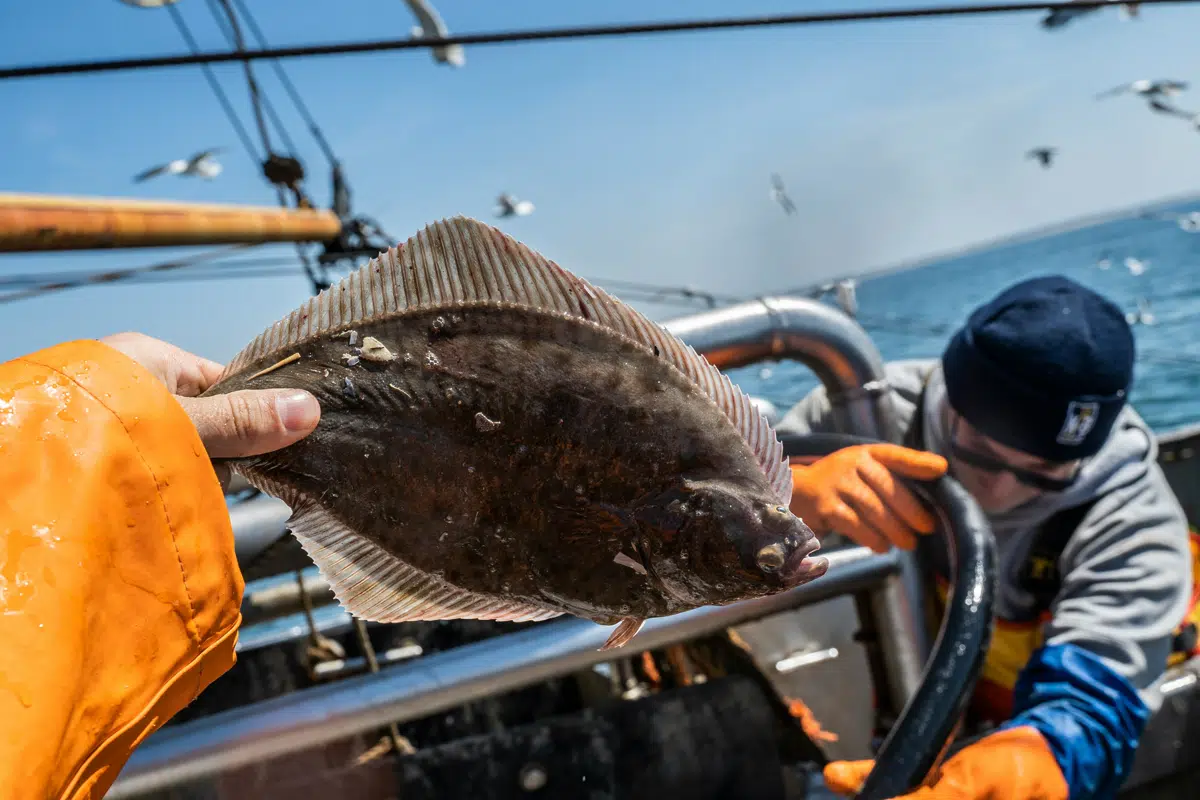
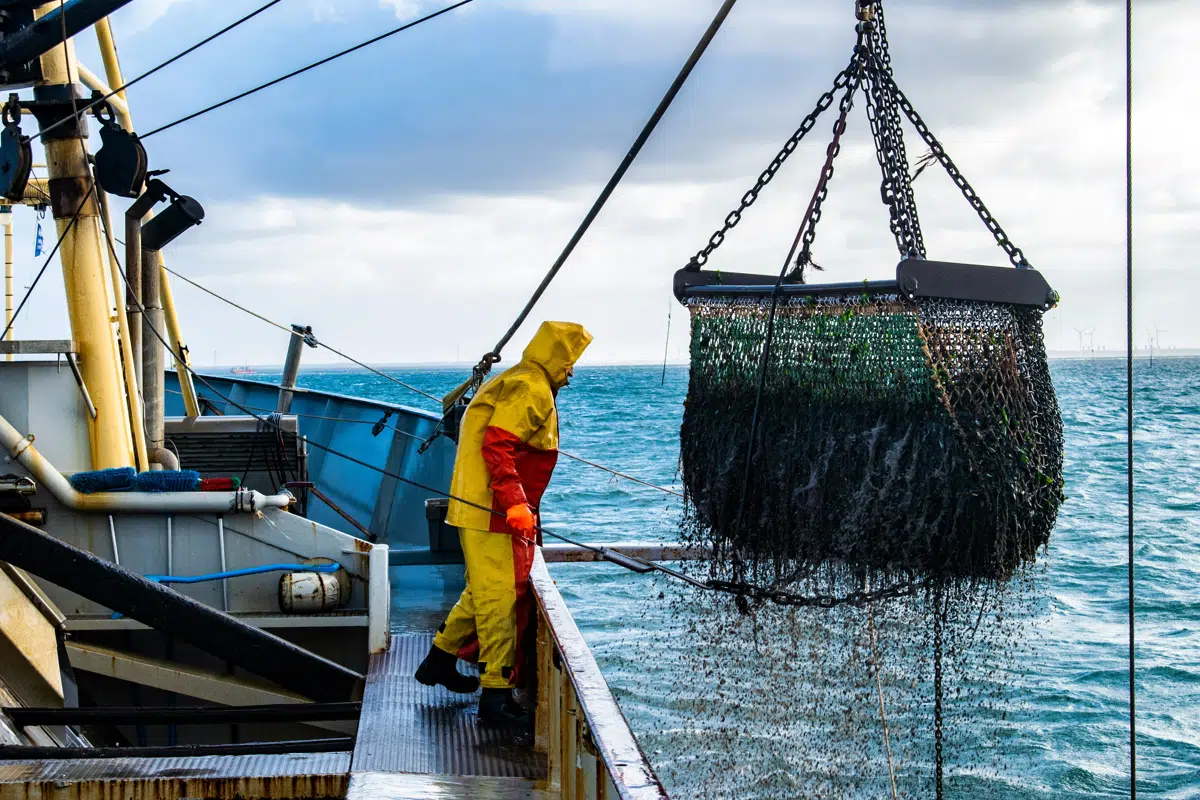
At-sea processing suits deep-water groundfish, and the flat species are the classic case: halibut, flounder and turbot, which is sold in China as Greenland halibut. The vessel heads, guts, grades and plate- or blast-freezes within hours of the haul, producing the frozen-at-sea (FAS) product the Asian trade recognizes as a quality tier of its own. Flash frozen offshore grades sell to the top of the market precisely because nothing about the fish changed between the haul and the freezer.
That timing advantage is not cosmetic. Fish frozen at sea never rides a deck in the sun, never waits on a wharf and never queues at a plant intake. The texture and colour that Chinese banquet and reprocessing buyers grade for are set at harvest, and the whole-fish presentation the market prefers is preserved intact. When our buyer purchases flatfish at multiple-container volume, frozen-at-sea whole fish is the spec they name first.
For export purposes, at-sea product still has to trace to a registered establishment. Freezer vessels and the establishments handling the product have their own registration considerations under both the Canadian and Chinese systems, and the labelling that eventually reaches China has to identify every production step, including the vessel. A vessel owner who has never sold into China should not assume the boat is invisible to the compliance chain: it is a named link in it. We map that pathway with you before the first container is booked.
Volume is the other question we solve. A single trip may not fill a container, and a single vessel may not sustain a program. Aggregation to container scale is our standard model: consistent grading and packaging marks across lots from more than one supplier, planned so the container that leaves Canada reads as one clean, uniform load on paper and in the box.
Commercially, the structure protects you. Payment is secured before product leaves the dock, our compensation is a success-based commission, and the buyer, certification, cold chain and payment risk sit on our side of the table. You fish, freeze and grade to the agreed spec; the rest is our job.
Go deeper
Shipping & handling
Success-based, dock-secured
Payment is secured before product leaves the dock, and our fee is a success-based commission. You are paid for what ships; we are paid when it sells.
What this means for you
If you run or supply a freezer vessel, at-sea product puts you closest to the grade China pays most for, provided the compliance chain behind the vessel is in order.
- Whole fish, flash frozen offshore, is the presentation the market rewards. Do not cut what the buyer wants intact.
- Your vessel is part of the registration and labelling story, not just the harvest. That has to be mapped before booking.
- Partial-container volumes are workable: aggregation with other supply gets you to container scale without waiting seasons.
- The buyer's grading spec is agreed in writing before the trip plan, so you freeze to a known standard, not a hope.
Division of labour
What we handle, what you handle
We handle
- The vetted Chinese buyer, the format and grading spec, and the price conversation
- Registration pathway mapping for the vessel and handling establishments
- Consolidation with other supply where a trip does not fill a container
- Reefer booking, stuffing plan and the documentation set that travels with the load
- Payment security: funds arranged before product leaves the dock
You handle
- Harvesting and grading to the agreed spec
- Freezing discipline on board: plate or blast, within the agreed window
- Accurate lot records: date, area, vessel, format, grade
- Cold storage until the container is stuffed
Before your first frozen-at-sea container
- Confirm the format the buyer wants (whole, H&G, block or IQF) before the trip, not after
- Confirm the vessel's place in the registration and labelling chain
- Agree the grading spec in writing, including size bands and freeze window
- Plan consolidation early if trip volume will not fill a container
- Keep lot traceability records from haul to cold store
- Book reefer equipment against a confirmed sailing, not a guess
Related reading
At-sea vs onshore processing: the full comparison
Where the knife and freezer meet your catch shapes the product China receives and the registration pathway behind it.
At-sea vs onshore processing: the full comparisonTurbot and Greenland halibut: the export guide
Why Canada's turbot sells in China as Greenland halibut, and what the market pays a premium for.
Turbot and Greenland halibut: the export guideExporting Canadian flatfish to China
Halibut, flounder and turbot: the demand picture and how flat species move from Canadian water to Chinese banquet tables.
Exporting Canadian flatfish to ChinaFlatfish demand in China is strong right now.
Our buyer is purchasing halibut, flounder and turbot at multiple-container volume: whole fish, flash frozen offshore. Tell us what you land and get a real price read, with nothing owed unless your product sells and ships.