Home / How it works
How It Works
Five steps, clear responsibilities, and risk carried where it belongs, not on you. This page is the whole model: what you do, what we do, what the buyer does, and what it costs.
SUCCESS-BASEDDISCLOSED COMMISSIONSECURED PAYMENT
The premise
You catch and pack. We handle everything after the dock.
Exporting seafood from Canada to China is not one problem, it's four: finding a real buyer, clearing two regulatory systems, keeping the cold chain provable, and making sure the money arrives. Most operations are excellent at the fish and have no appetite for the other four. That division is the whole design of this service.
You stay in the part of the business you already run well: harvesting, grading, packing. We run the buyer relationship, the GACC and CFIA pathway, the freight and cold-chain plan, and the payment structure. The buyer commits volume and pays on secured terms. Nobody is asked to do a job they aren't built for, and you are never left holding a risk you can't control.
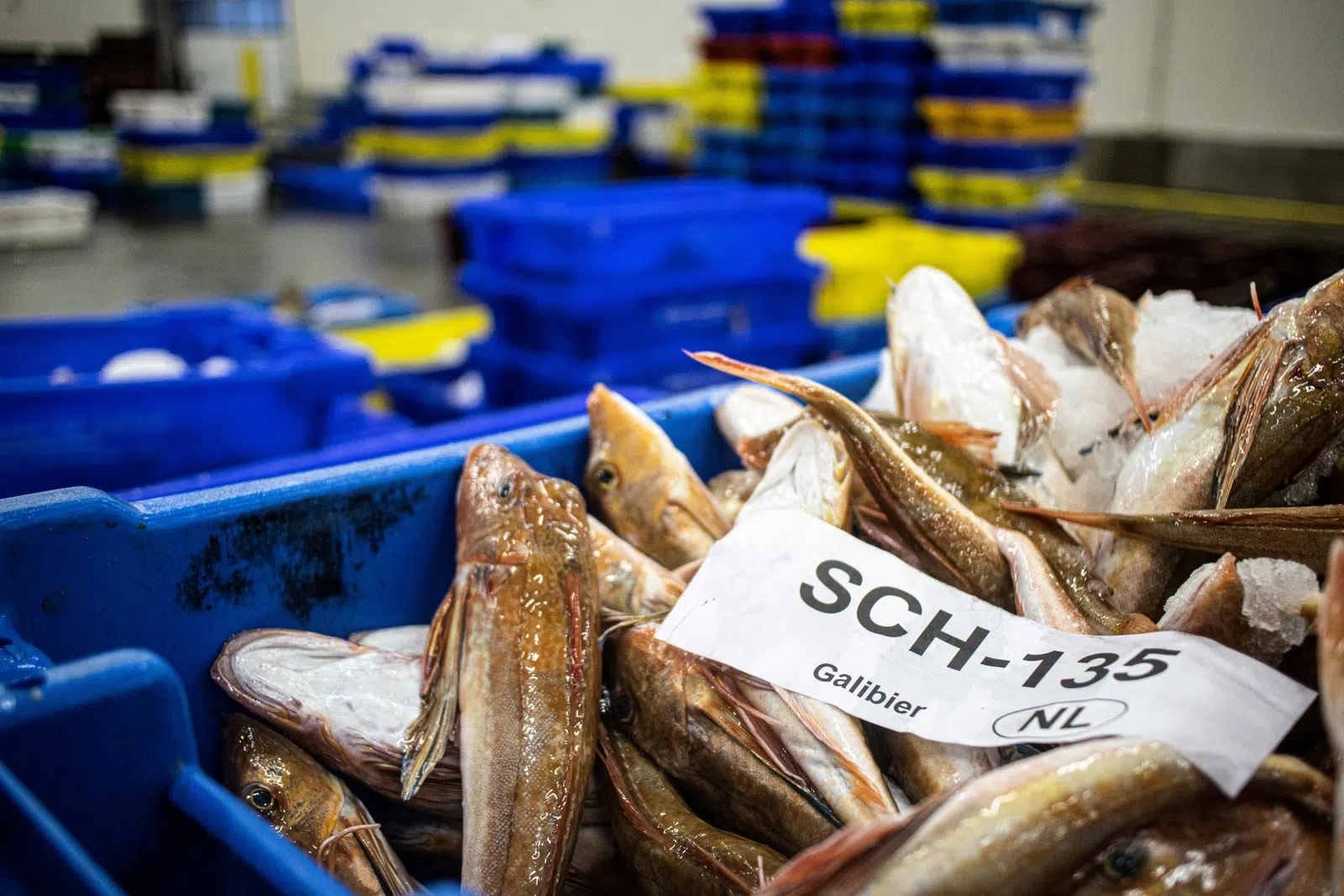
It works at your scale, too. Because we aggregate supply across harvesters and plants, small operators get container-scale pricing without filling a container alone. Our buyer purchases at multiple-container volume, with especially strong current demand for flat species: halibut, flounder and turbot, sold in China as Greenland halibut, as whole fish, ideally flash frozen offshore.
The five steps
Wharf to paid invoice
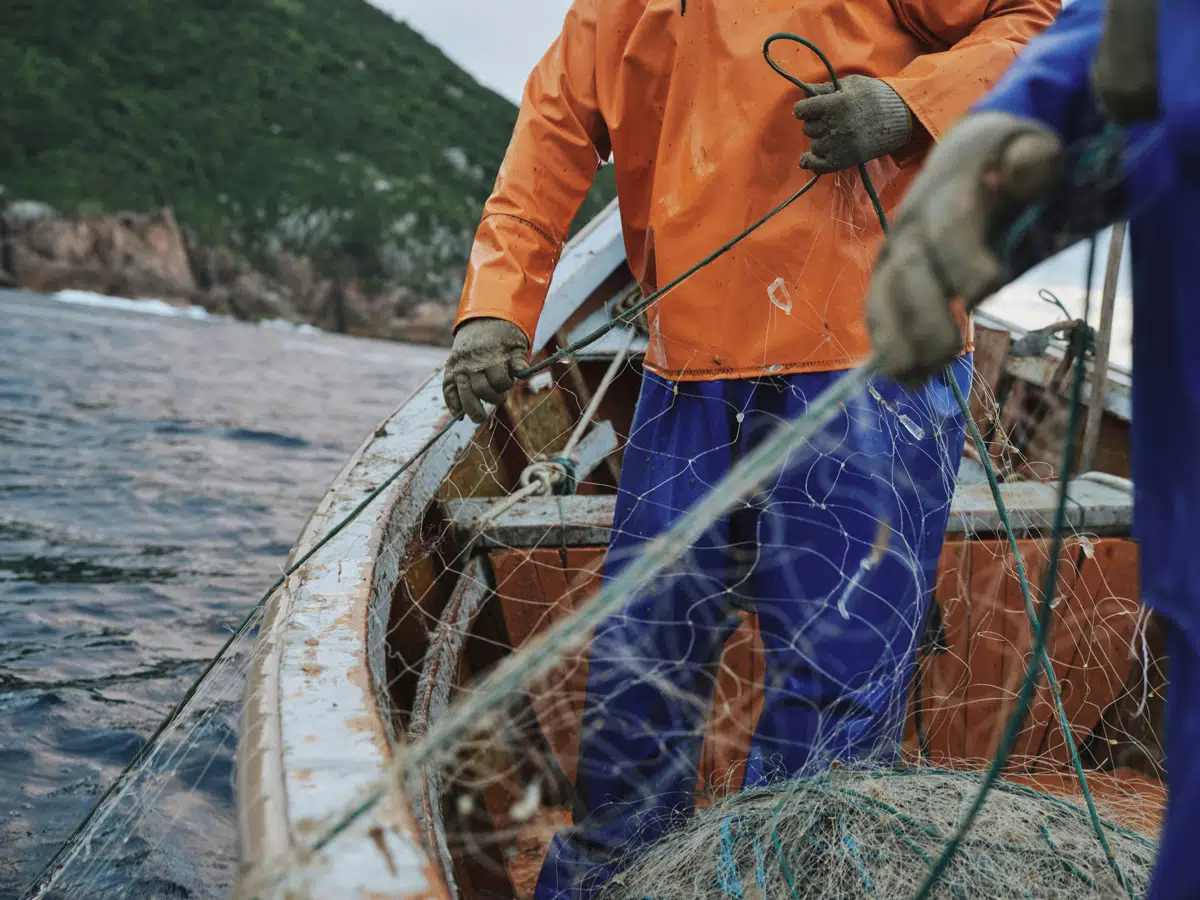
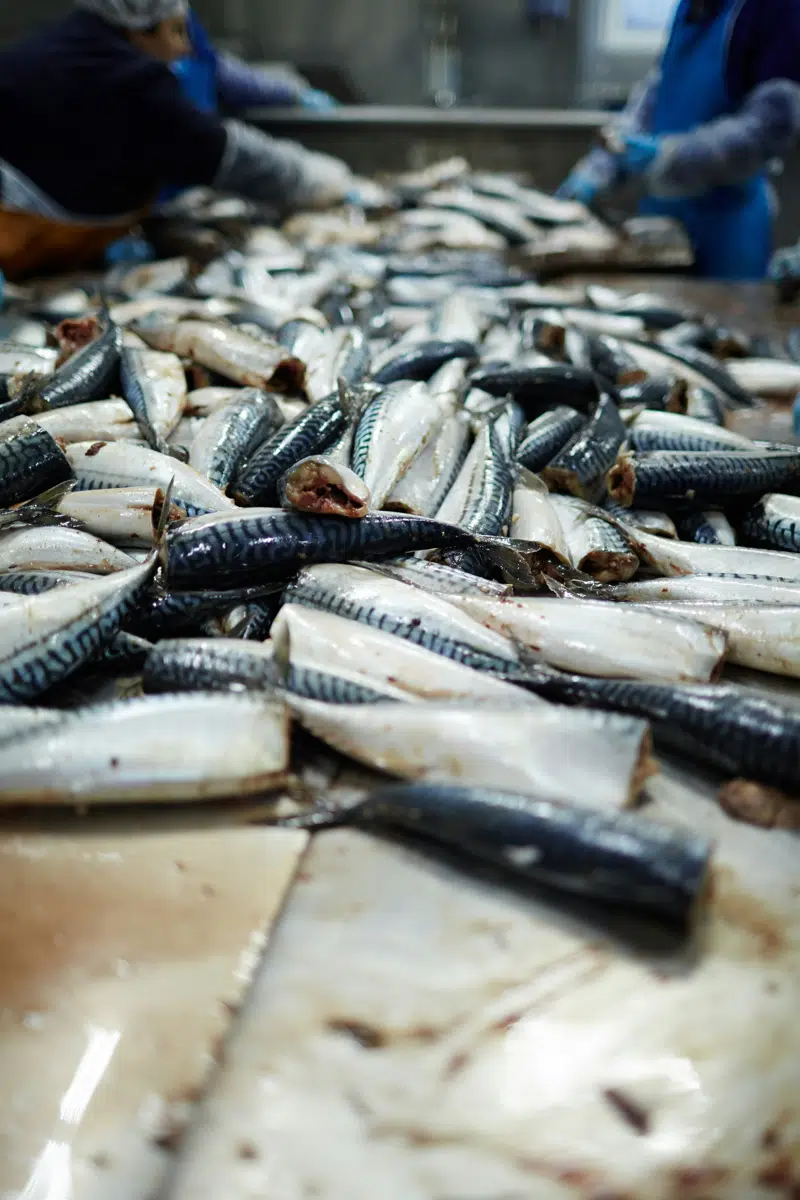
- You land and pack. Your catch or production, graded and packed to a spec we confirm with the buyer first: species, form, size tiers, marks. Nothing is packed on speculation. If your product is flash frozen at sea, say so early; offshore-frozen whole fish sits at the top of the buyer's grading, and it changes how we present your lot.
- We place it with the buyer. A specific, vetted volume buyer in China we met in person, not a listing site, not a "network." Volume, timing and terms are agreed before anything moves, and where festival demand is in play (Chinese New Year, Mid-Autumn Festival), the delivery window is part of the deal, because arriving into the peak is worth planning for.
- We run the export pathway. GACC registration navigation under Decree 280, CFIA certification coordination, and the full documentation set: health certificate, labelling with registration numbers, HS/CIQ codes. Aquatic products are high-risk under GACC, so CFIA must recommend your establishment through CIFER; we manage that file with you. The certificates themselves come from CFIA and the registrations from GACC; our job is a clean file that clears the first time. The pathway →
- We coordinate the cold chain. Live product flies, by live-hold and air freight. Frozen rides set-point reefer containers, which reach any major Chinese port, so your distance from tidewater is a trucking question, not a market question. Either way the chain is unbroken and documented end to end, because the paper trail is what makes arrival an acceptance rather than a negotiation. Shipping →
- You get paid on secured terms. Structure agreed up front (deposit plus balance against documents, or title held until payment clears) so your position is protected before product leaves your control. Payment is secured before the load leaves the dock, not promised after it lands. The mechanism →
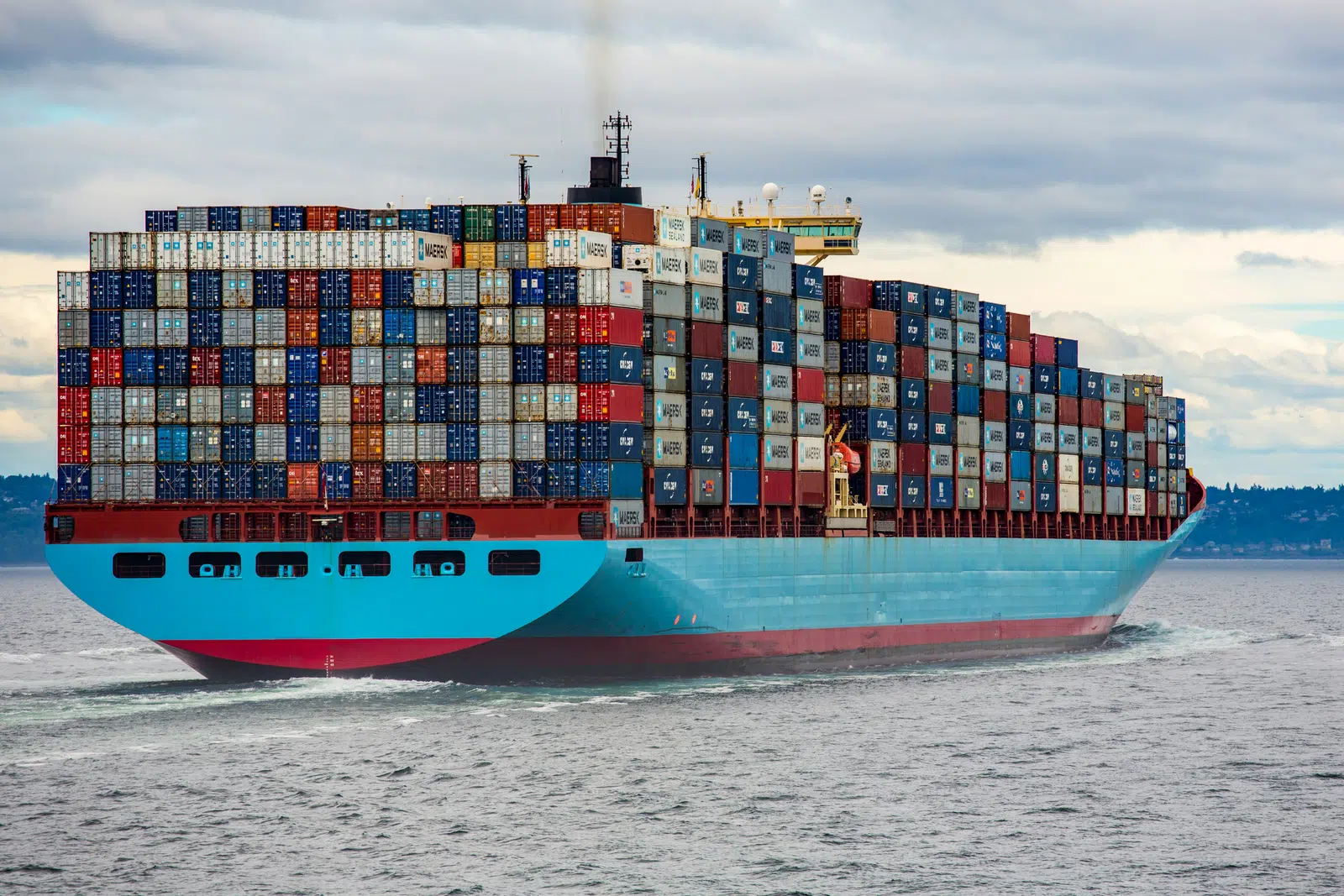
Set-point reefers, dock to any major Chinese port
Who does what
Division of labour
Every export failure story starts with a job nobody clearly owned. This table is how we prevent that.
| You (supplier) | Us (export desk) | Buyer (China) |
|---|---|---|
| Harvest / production and quality at source | Buyer relationship, in-market and in-language | Volume commitments and spec |
| Grading and packing to the confirmed spec | GACC / CFIA pathway navigation and documentation | Import clearance on the China side |
| Plant licensing and registration standing (we help) | Freight booking (air or reefer) and cold-chain plan | Payment on the agreed structure |
| Hitting the schedule | Payment structure and buyer-side risk mediation | Receiving and re-tanking / cold storage |
What it costs
A disclosed commission on completed deals only. No retainers, no sign-up fees, no charge for the compliance navigation, no charge on deals that don't close. If your product doesn't sell and ship, you pay nothing, which means our incentive is identical to yours: get good product to a good buyer at a price worth everyone's time.
The commission is stated in writing before the deal, on the deal. You will never discover our cut after the fact, and you can compare the net against your current channel before committing anything.
What we ask of you
- Honest grading to the confirmed spec, lot after lot
- Consistent packing and marks, so consolidated loads read as one supplier
- Hitting your slot in the schedule; aggregation only works when every contributor lands on time
- Straight answers about your licensing status (we'll help fix gaps, but only the ones we know about)
Before the first deal
What the first conversation covers
No commitment happens on a first call. What does happen is an honest read: what you land, in what forms and volumes, what your current channel pays, and whether the China route beats it after freight and commission. Sometimes the answer is "not for this product, not right now," and we'll say so, because a deal that shouldn't happen costs us the same reputation it costs you money.
If the numbers make sense, the next step is your registration status. Establishments already listed for China can move quickly. Establishments starting the GACC pathway should think in months, not weeks, which is exactly why the right time to start the conversation is before you need it. The tariff suspension window running to the end of 2026 puts a clock on that logic.
Further reading
The details behind each step
Dock to Chinese port: the reefer journey
What actually happens to a frozen container between your wharf and the buyer's cold storage.
CFIA export requirements for China
What Canada's competent authority requires of your establishment and your documentation.
How to choose a seafood export partner
The due-diligence questions to ask any broker, including us.
Start a no-obligation conversation.
Bring your species and volumes. We'll walk the whole structure with your real numbers, and tell you plainly if the channel isn't right for your product.