The live premium has one condition attached: the animal arrives alive and vigorous. Not technically alive: vigorous. Buyers grade on arrival strength, tanks display it, and diners choose it. Weak grades down; dead is a loss, not a discount. Everything in the live lane serves that single outcome.
Holding and conditioning
After harvest, animals recover in holding (cold, clean, oxygenated), shedding stress before the journey rather than carrying it aboard. Strength grading happens here: only animals that can handle the trip make the manifest. This is also where harvest timing earns money: animals held and conditioned to a plan beat animals rushed from trap to tarmac.
The pack-out
Insulated boxes, gel packs to hold temperature, oxygen support for the duration, and packing density that protects rather than crowds. Geoduck adds its own care: the siphon is the product’s showcase and it bruises. The pack-out spec isn’t generic; it’s tuned to species, season and flight time.
The run and the flight
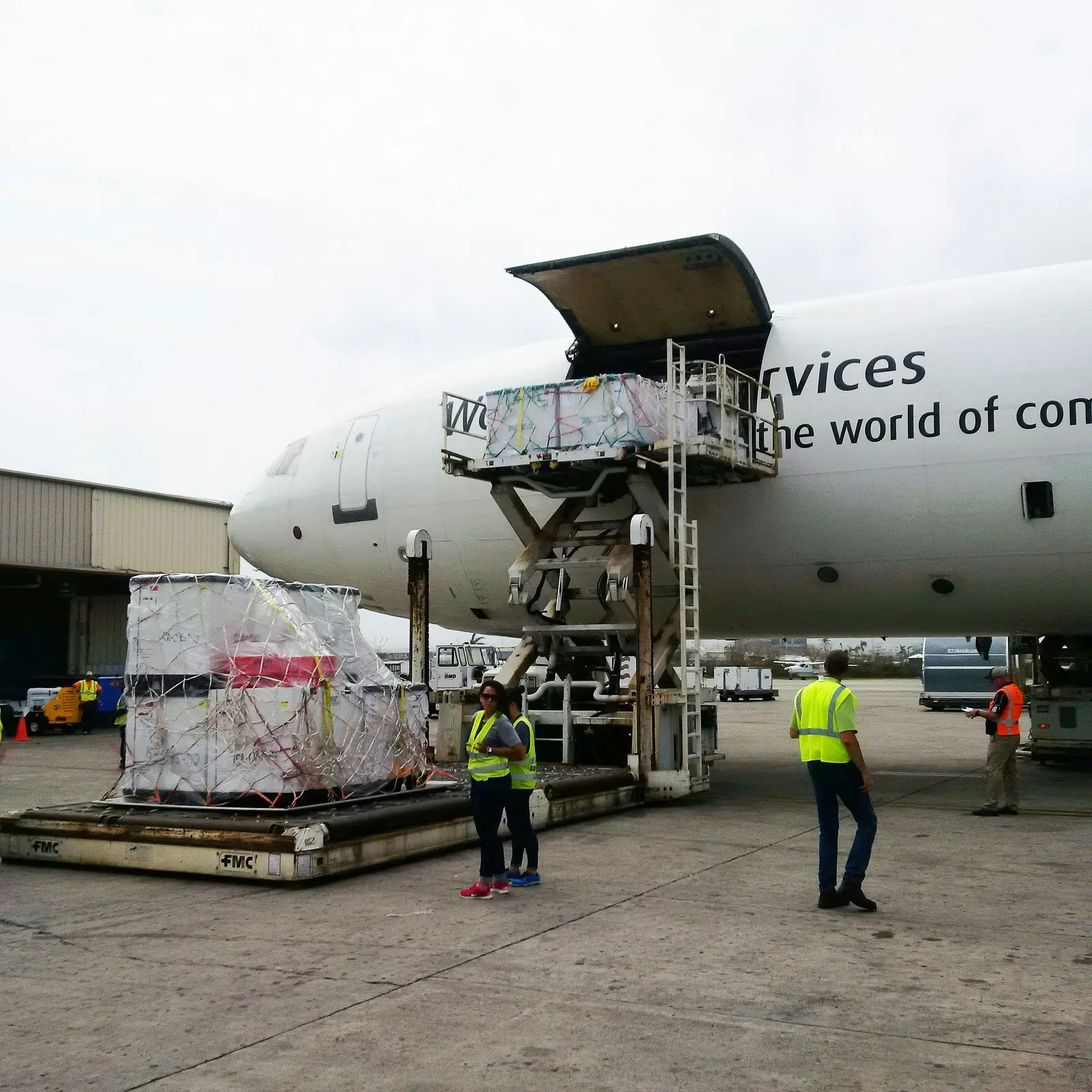
The clock starts at pack-out. A fast cool-chain run to the airport, a booked lane (Halifax and Toronto serving Atlantic lobster, Vancouver serving the BC live trade) and a routing chosen for total elapsed hours, not ticket price. During festival peaks, capacity is booked well ahead because every live shipper wants the same flights.
Arrival
The importer receives, re-tanks and grades. Strong arrival at spec is where the premium is confirmed, and where a supplier’s reputation with a buyer is built shipment by shipment.
The honest risk conversation
Live shipping carries survivability risk that frozen doesn’t, and that risk is priced and planned: conditioning standards, pack-out specs, lane selection, and deal terms that don’t leave the supplier holding buyer-side outcomes. We put that structure in writing before anything swims. Live seafood & air freight.