Here’s the sentence that reframes cold chain for most suppliers: a temperature excursion isn’t a quality problem; it’s an acceptance problem. The importer needs product landing at spec temperature with a clean record to clear Chinese customs and take delivery. A break in the chain is how loads get rejected, and a rejected load an ocean away is the exact disaster export structures exist to prevent.
The chain, link by link
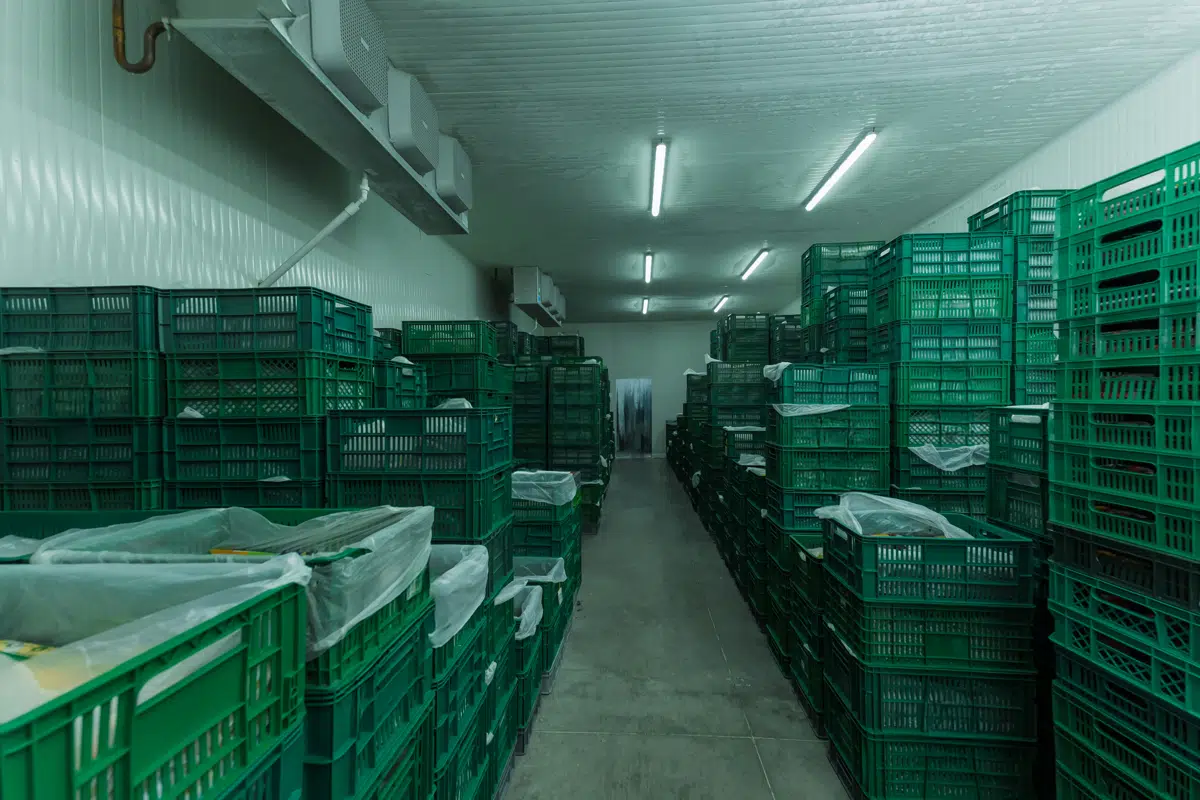
Freeze to spec: at sea or at the plant, product reaches its specified core temperature before it’s boxed. Cold storage: held at temperature, with the storage facility part of the traceable chain. Stuffing: the reefer container is pre-cooled and the transfer is fast; a warm dock is where chains quietly break. Transit: the container holds set-point with monitoring; its temperature record is part of the story the paperwork tells. Discharge and clearance: the importer receives at temperature, with documentation agreeing end to end.
Why the record matters as much as the temperature
Chinese customs and the importer aren’t standing at your plant; they see the evidence. A clean, continuous record answers the question before it’s asked. A gap in the record invites the question even when nothing actually thawed.
Where breaks actually happen
Rarely mid-ocean. The vulnerable moments are handoffs: plant to truck, truck to cold store, cold store to container, container to terminal. Each handoff is planned, timed and minimized: the boring discipline that separates programs that clear from programs that argue.
What we run
Pre-cooled equipment booked to the stuffing plan, handoffs scheduled tight, monitoring in place, and the documentation set matching the physical load, so the container’s arrival is routine. Frozen product done right is the least dramatic thing in this trade. That’s the point. Reefer & cold chain.