Why China buys it
China buys Canadian snow crab primarily as frozen sections, priced in tiers by section count and size. Consistency matters more than a mixed grade: a uniform lot at spec beats a bigger lot that varies.
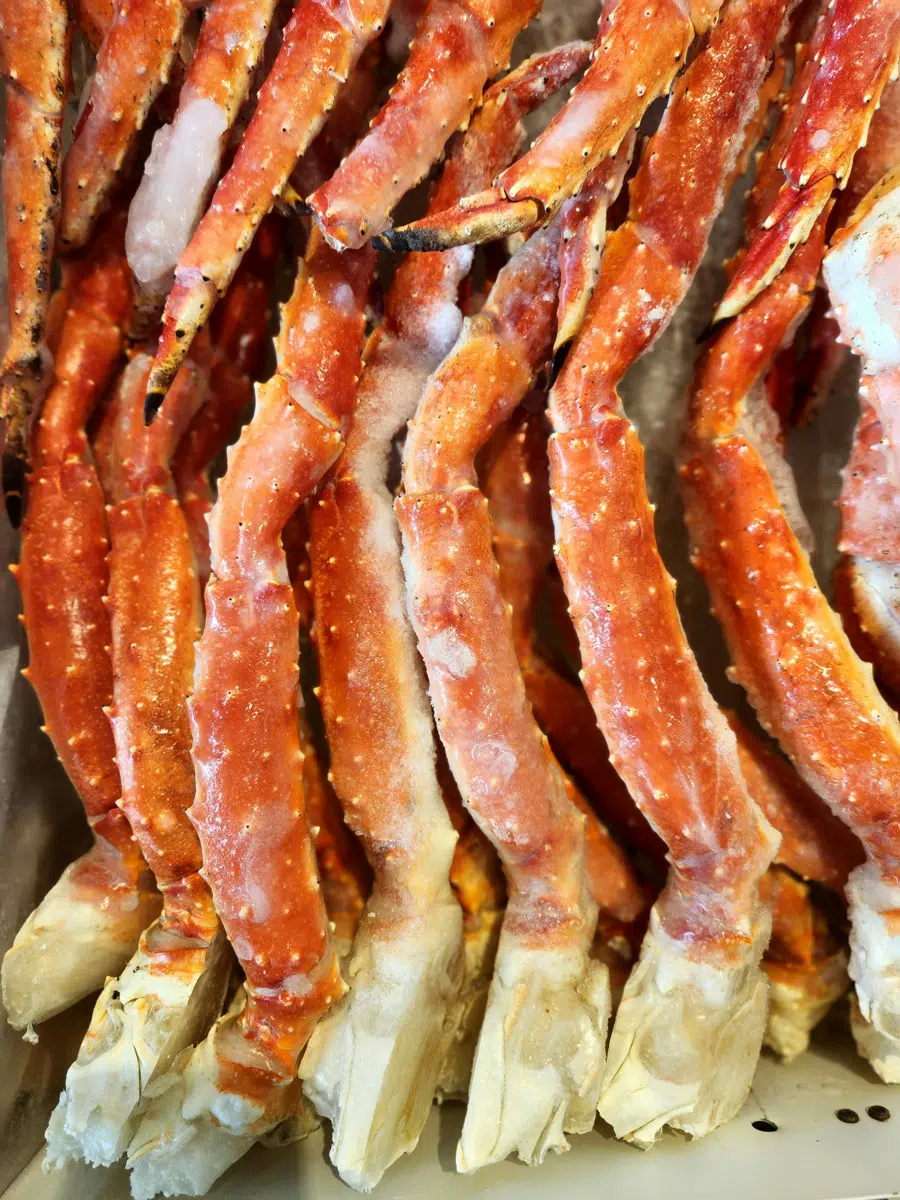
Snow crab sits in a sweet spot in the China market: premium enough for banquet platters and gift boxes, accessible enough for hotpot restaurants, seafood buffets and the frozen cabinets of major retail and e-commerce channels. Cooked, brine-frozen sections are the workhorse format because they thaw well, portion cleanly and present the long legs Chinese diners want on the table.
Cold-water origin is part of the sell. Canadian snow crab from Newfoundland and the Gulf of St. Lawrence carries a clean, cold-fishery story that Chinese importers use in their own marketing, and demand firms up ahead of Chinese New Year, when crab legs are a fixture of holiday tables and corporate gifting.
A smaller live snow crab trade also exists for the high-end tank market, moving by air, but for most Canadian shippers the realistic opportunity is frozen sections at container scale. The suspension of China's 25% tariff on Canadian aquatic products since March 1, 2026 has put Canadian crab back on a competitive footing for the balance of 2026.
Read: What the China market wants in snow crab →
Product file
| Species | Chionoecetes opilio |
|---|---|
| Source | Atlantic (NL, Gulf of St. Lawrence) |
| Season | Approx. April–July |
| Forms | Frozen sections; some live |
| Ship method | Reefer (frozen) / air (live) |
Buyer spec
What buyers pay a premium for
Snow crab pricing is a grading exercise. Buyers pay tier by tier, and the shippers who earn the top of each tier are the ones whose lots never surprise anyone.
- Section size and count. Price steps up with section size. Grading accurately to the buyer's count ranges, and holding that grade across the whole lot, is where the money is.
- Fill and condition. Well-filled, recently moulted-out crab with firm meat grades ahead of light or soft product, and buyers check.
- Glaze and freeze to spec. Correct glaze percentage and a fast, clean freeze protect both quality and trust. Over-glazing to add weight destroys a relationship quickly.
- Lot-to-lot consistency. A buyer building a program wants carton ten to match carton one thousand. Uniformity is worth more than occasional brilliance.
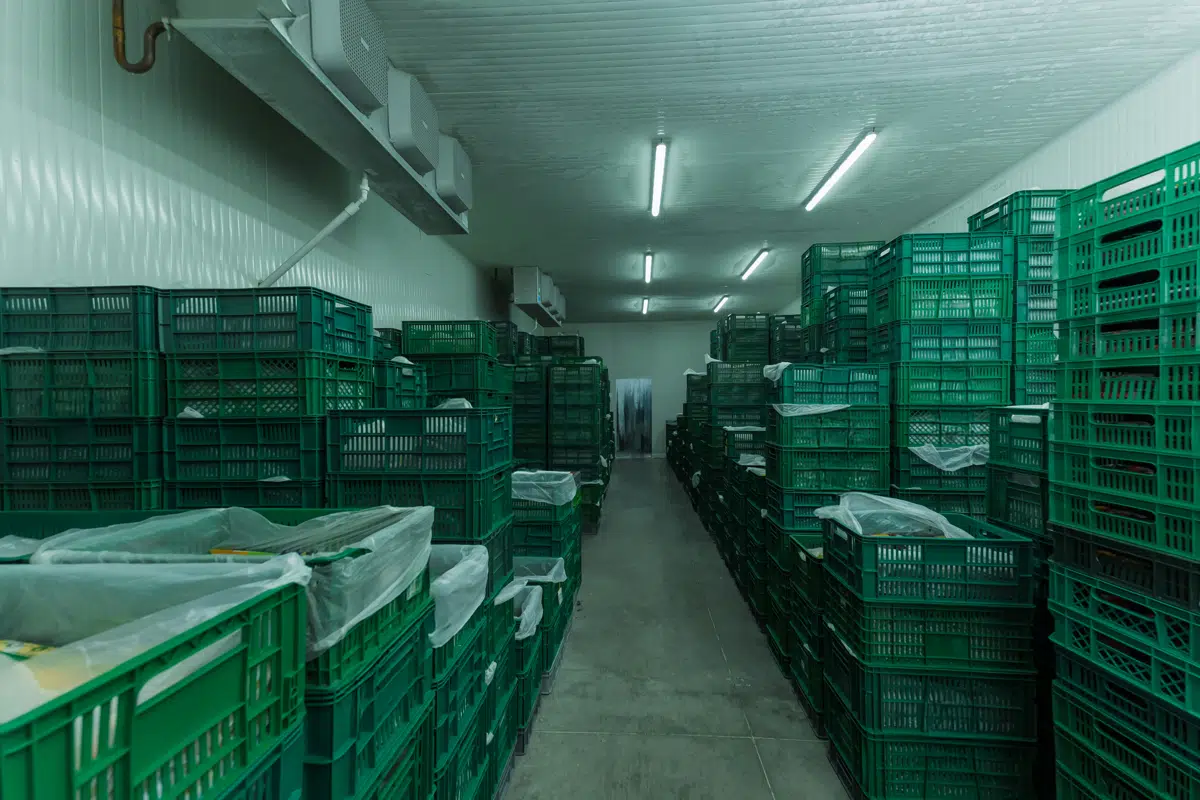
- Cold chain integrity. Product that has never warmed from the plant freezer to the reefer plug shows it in colour and texture. An unbroken cold chain is a paid-for feature, not a courtesy.
Logistics
From your dock to China
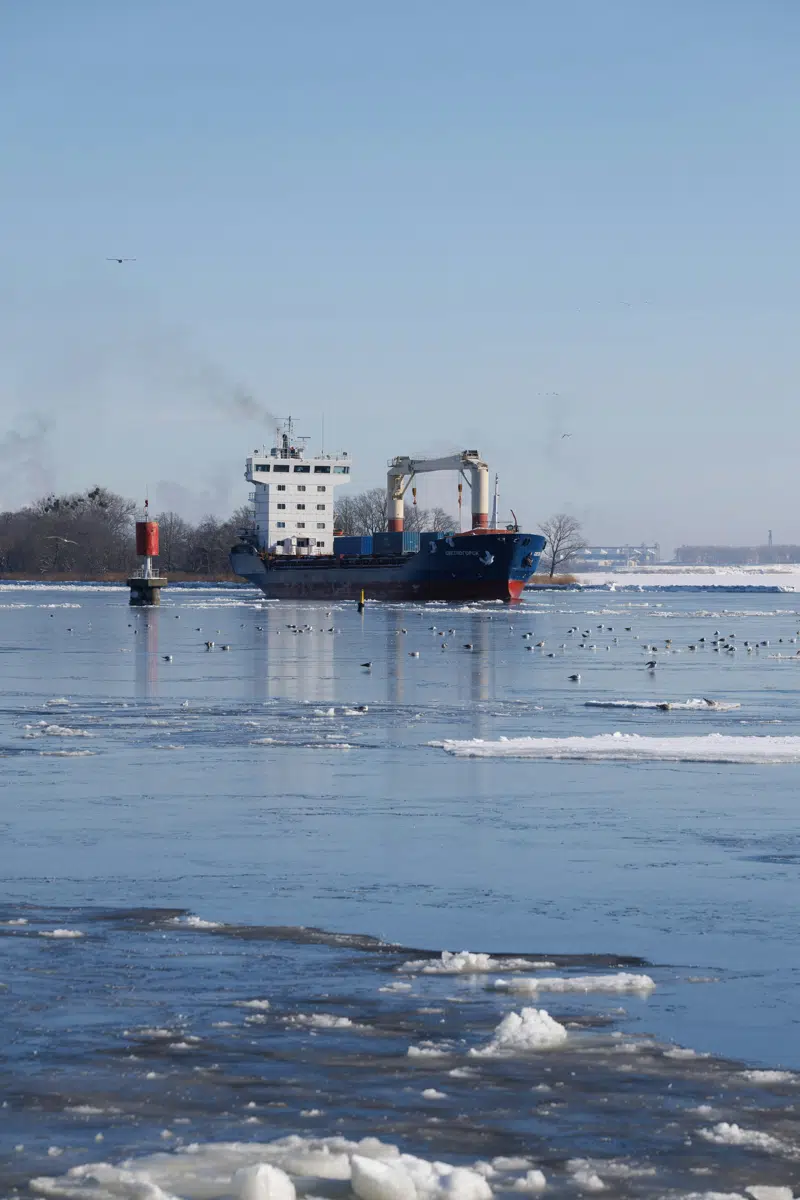
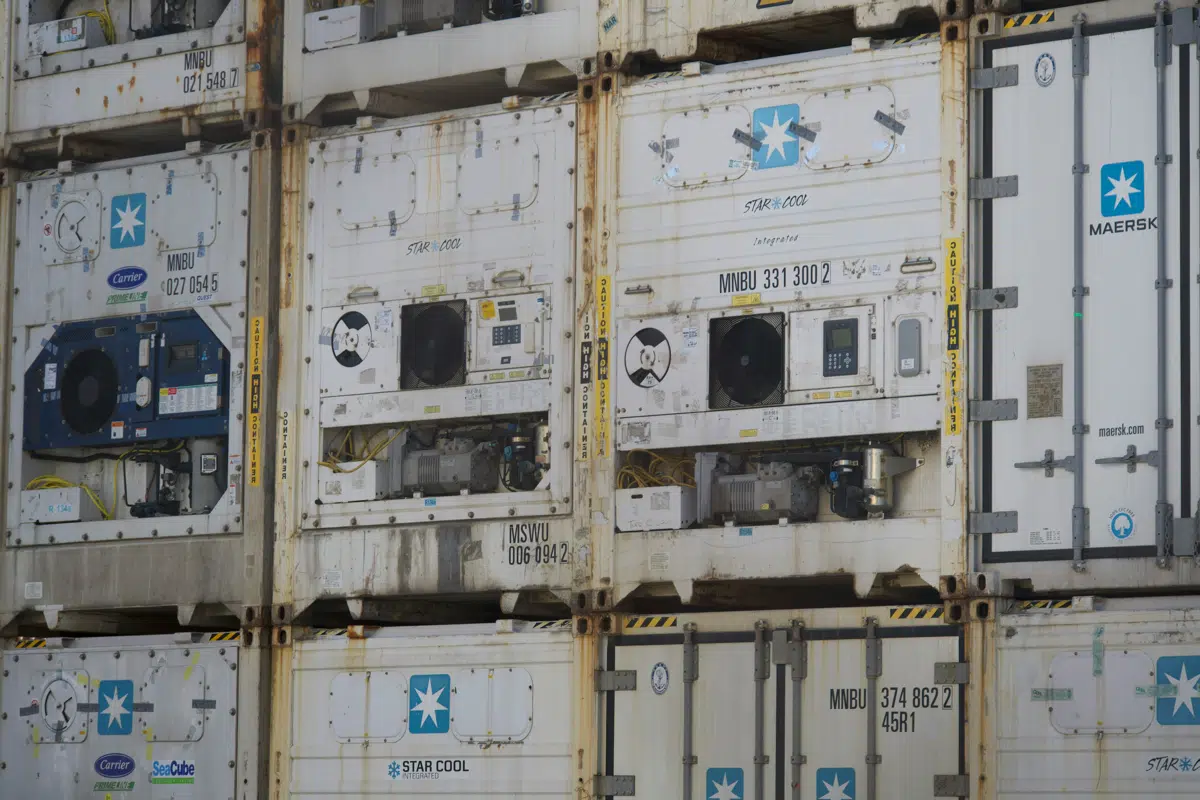
Frozen sections move in a deep-frozen reefer container: loaded at or consolidated near your plant, trucked to an Atlantic container port, and sailed to whichever major Chinese port the buyer clears through, whether that is Shanghai, Dalian, Qingdao, Tianjin or a southern gateway. A reefer load can reach any major Chinese port, so the routing follows the buyer's distribution, not the other way around.
The paper rides with the product: CFIA export certification, GACC-compliant labelling and codes, and a booking timed so the crab is not sitting on a dock waiting for a vessel. Where live snow crab is part of a deal, that portion moves separately on the air lane.
The brokerage
How we handle it
The crab season is short and intense, and the last thing a producer needs mid-season is buyer risk. Here is what we take off your plate when you sell seafood to China from Canada through us.
- A vetted, container-scale China buyer with a defined spec sheet, agreed before the season, not negotiated carton by carton.
- Payment secured before the container leaves the dock, so the season's cash flow is not hostage to an overseas receivable.
- Success-based commission: we are paid when your crab sells and ships, and not before.
- Aggregation to container scale, combining compatible packs when one plant's production alone will not fill the box.
- Coordination of the CFIA and GACC pathway: aquatic products are high-risk under GACC, establishments are recommended by CFIA through CIFER, and Decree 280 (which replaced Decree 248 on June 1, 2026) governs the registration regime. We manage the process; CFIA and GACC issue the approvals.
Go deeper
Guides for snow crab shippers
What the China market wants in snow crab
Grades, formats and the buying calendar.
What the China market wants in snow crabHow China prices Canadian seafood
What actually sets the number on your pack.
How China prices Canadian seafoodDock to Chinese port: the reefer journey
Every leg of a frozen container's trip, explained.
Dock to Chinese port: the reefer journeyRelated species
Packing snow crab? Lock in the buyer before the season peaks.
Send us your section grades and expected volumes and we will map them to real China demand, with payment secured before anything leaves your dock.