Why the buyer needs it unbroken: a temperature excursion doesn't just cost quality: it can cost acceptance. The importer needs product landing at spec temperature with a clean documentation trail to clear Chinese customs and take delivery. A cold-chain break is how loads get rejected.
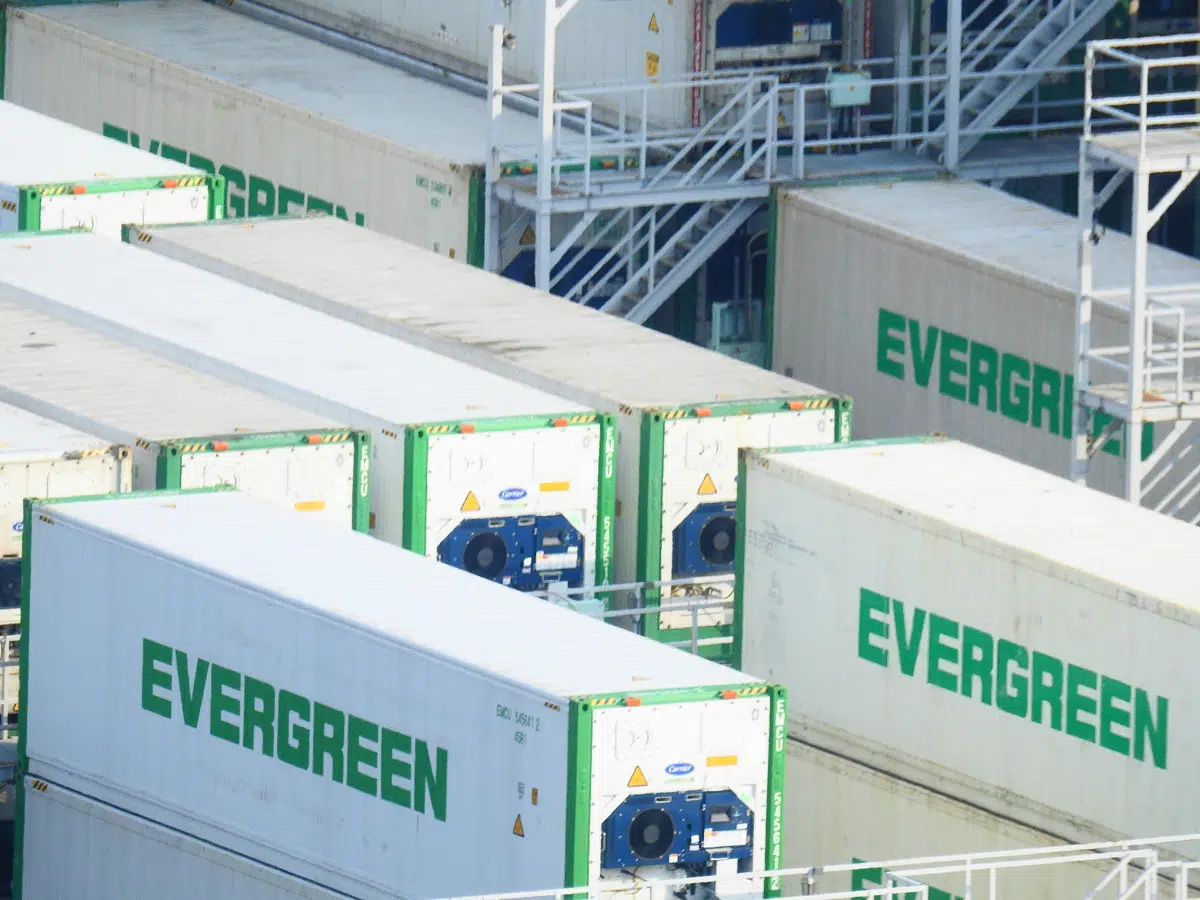
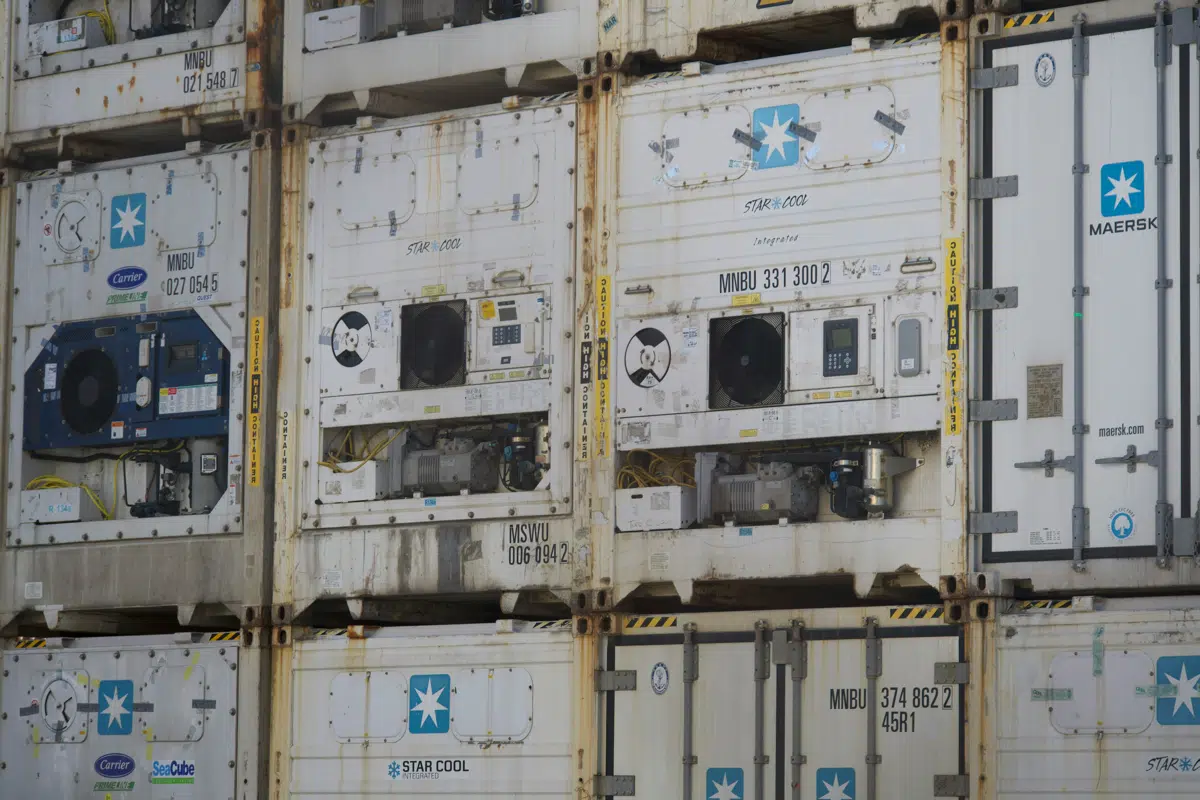
Frozen sections, fillets, whole fish, frozen roe and dried product all ride reefer containers held at set-point temperature with monitoring from stuffing to discharge. Transit from Canadian ports to Chinese ports runs on scheduled ocean services, and reefer containers reach any major Chinese port, so the routing decision is driven by where the buyer takes delivery, not by what is possible. The container's temperature record is part of the story the paperwork tells.
Shipping seafood to China by reefer is less about the box and more about the chain around it: pre-cooling before stuffing, a stuffing plan that loads fast and keeps air circulating, a set point held without excursion through trucking, port dwell and the ocean leg, and a discharge on the China side that hands cold product to a cold truck. Each handoff is a place the chain can break, and every break is visible to a buyer who reads the data logger.
Consolidation is often the unlock for smaller suppliers: a single plant may not fill a container, but combined supply does, which is exactly the aggregation model we run. Loads are planned so grading, packaging marks and documentation are consistent across every lot in the box. To the buyer purchasing at multiple-container volume, an aggregated load reads exactly like a single-plant load, because on paper and at set point it is one.
The documentation set (health certificate, labelling with registration numbers, HS and CIQ codes) travels with the container and must match it exactly. A clean cold chain with mismatched paperwork stalls in port just as surely as a warm container with clean paperwork. We book the equipment, coordinate the stuffing plan, and prepare that set so arrival is an acceptance, not an argument.
The commercial terms follow the same logic as everything else we do: payment is secured before product leaves the dock, and our fee is a success-based commission. The cold chain, the booking and the paperwork risk sit with us. Your job ends when a correctly packed, correctly marked load goes into the box at spec temperature.
Go deeper
Shipping & handling
Success-based, dock-secured
Payment is secured before product leaves the dock, and our fee is a success-based commission. You are paid for what ships; we are paid when it sells.
What this means for you
For a frozen program, the reefer lane is the default and the discipline is knowable. What decides your outcome is not the ocean, it is the handoffs, and those can all be planned.
- You do not need to fill a container: aggregation to container scale is how most of our suppliers start.
- Your cold store and stuffing practice are the parts of the chain you own; we plan both with you.
- The temperature record is evidence. A clean logger file is part of what the buyer is paying for.
- Any major Chinese port is reachable, so the buyer's delivery point, not geography, sets the routing.
Division of labour
What we handle, what you handle
We handle
- Reefer booking on scheduled services to the buyer's port
- Stuffing plan, set point and monitoring arrangements
- Consolidation of lots from multiple suppliers into one consistent load
- The full documentation set, matched to the physical container
- Payment secured before the container leaves, on success-based commission
You handle
- Product frozen, graded and packed to the agreed spec
- Cartons marked correctly, including registration numbers
- Cold storage at spec temperature until stuffing
- Accurate lot records that match the packing list
Cold-chain discipline, dock to discharge
- Product at spec temperature before the container arrives, not after
- Container pre-checked and pre-cooled per the stuffing plan
- Fast, airflow-aware stuffing with no warm dwell on the dock
- Set point and monitoring confirmed at the moment of sealing
- Documentation matches the load: species, form, counts, marks, codes
- Discharge handoff on the China side arranged cold-to-cold
Related reading
Dock to Chinese port: the reefer journey
What actually happens to your container between a Canadian wharf and a Chinese cold store.
Dock to Chinese port: the reefer journeyKeeping the cold chain unbroken
Why an unbroken, documented cold chain decides whether a frozen load is accepted.
Keeping the cold chain unbrokenReefer vs live: choosing your lane
Frozen by sea or live by air: how to pick the lane that nets you more.
Reefer vs live: choosing your laneFlatfish demand in China is strong right now.
Our buyer is purchasing halibut, flounder and turbot at multiple-container volume: whole fish, flash frozen offshore. Tell us what you land and get a real price read, with nothing owed unless your product sells and ships.