If Canadian seafood in China has a flagship, it’s live Atlantic lobster (Homarus americanus), one of our top exports to the market by value, and the product most shaped by China’s live-premium culture.
Why China pays up for it
Banquets, gifting and live-tank retail all want the same thing: a strong animal a customer can see alive. That’s a freshness proof no frozen product can match, and the market prices it accordingly, with demand spiking into Chinese New Year and Mid-Autumn.
Season and supply
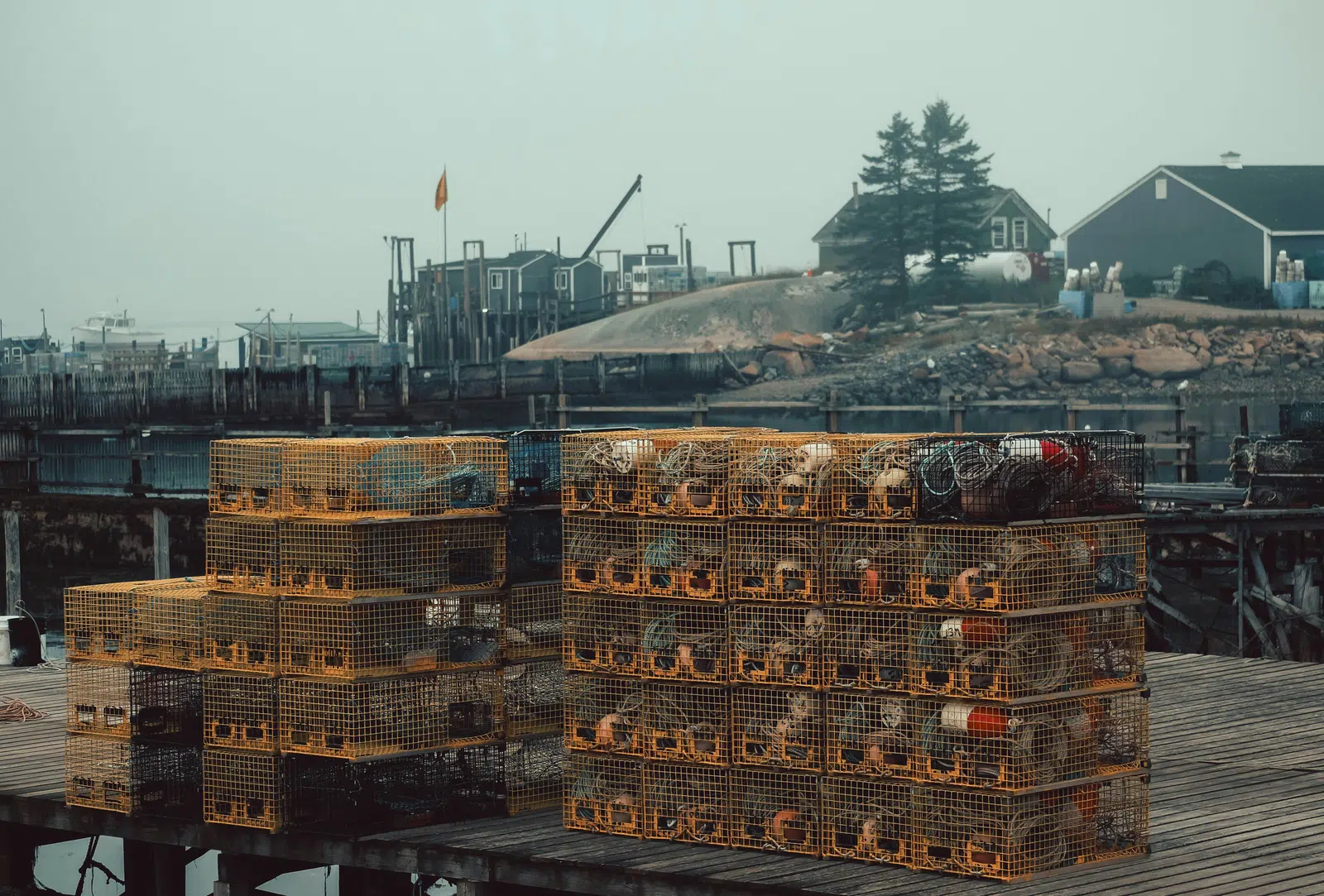
Atlantic Canada’s lobster fishery runs by Lobster Fishing Area, with major landings in spring and fall windows across NS, NB, PEI, NL and QC. That seasonal structure is a planning asset: harvests can be aimed at demand peaks rather than dumped into troughs.
What the buyer grades
Weight-class tiers, shell condition, and above all vigour on arrival. Strong animals confirm the premium; weak ones grade down; dead ones are losses. The supplier-side disciplines that decide it: gentle handling, proper holding, honest strength grading, and harvest timed to the flight. The full lane is covered in how live product arrives alive.
The pathway
Live lobster runs the standard China pathway (CFIA requirements on the Canadian side, GACC registration for the establishments involved, documentation and marks per spec) plus the live-specific layer: air freight from Halifax or Toronto into the Chinese gateways, packed to a survivability spec.
The policy note
Lobster was named in both the 2025 tariff and the 2026 suspension, meaning the product currently ships inside the open tariff window, through end-2026 as things stand.
For the harvester deciding
Your leverage is animal condition and timing; ours is the buyer, the lane and the paperwork. Together that’s the premium, captured. Species page · Tell us what you land.