If you land or process seafood in Canada and you’ve heard what China pays for it, the natural next question is: how does product legally get from my wharf to a Chinese buyer? This guide walks the whole pathway. Every other article on this site hangs off it.
The pathway at a glance
- Licence the Canadian side. Your establishment needs a Safe Food for Canadians (SFC) licence covering the right activities (including preparing food for export) and needs to appear on Canada’s list of fish and seafood establishments approved for export, identified by a CFIA establishment ID. Details: CFIA export requirements.
- Register the China side. China requires the overseas producer to be registered with GACC, its customs administration. Aquatic products are a higher-risk category, so your plant can’t self-register; it must be recommended by the CFIA through the CIFER portal, under the Decree 280 framework that took effect June 1, 2026. Details: GACC registration.
- Match the product to the buyer’s spec. Species, form (live, whole, H&G, sections, fillets), grade and size tiers are agreed before anything is cut or packed. In this market, whole and minimally-processed product is often worth more, so don’t default to fillets.
- Build the documentation set. Health certificate, labelling with registration numbers on inner and outer packaging, HS and CIQ codes, commercial documents, all matching the physical load exactly. Details: documentation.
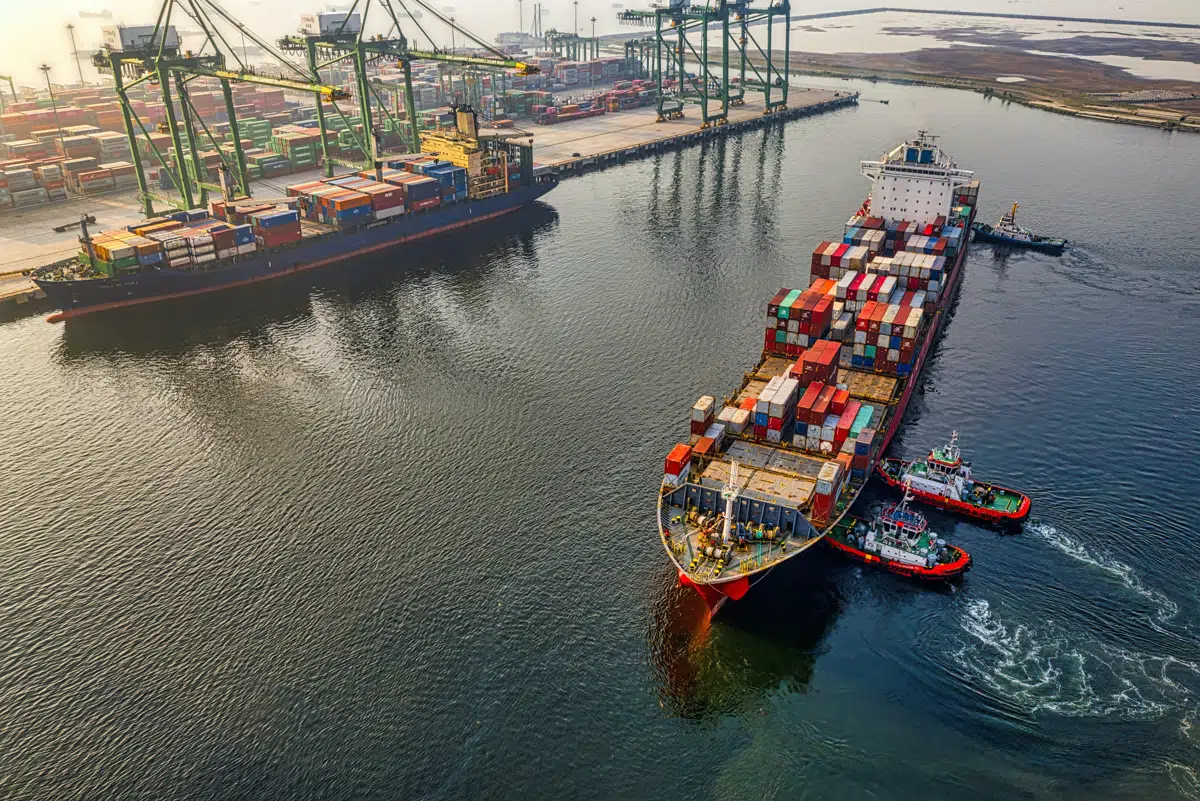
- Ship on the right lane. Live product flies: live-hold and air freight. Frozen product rides temperature-controlled reefer containers. The cold chain must be unbroken end to end.
- Clear and get paid. The importer clears Chinese customs against your documentation. Payment structure is agreed up front so your money is secured before product leaves your control; see payment security.
The two mistakes that stall first-time exporters
Starting with product instead of registration. Registration and licensing set the clock; a buyer can be ready in weeks while a registration takes longer. Start the compliance pathway first.
Paperwork that almost matches. Chinese customs doesn’t grade on a curve. A certificate that disagrees with the carton marks, or a code that doesn’t match the product, holds the shipment. Consistency across certificate, labels and load is the whole discipline.
Where a partner fits
Everything above is navigable. The big processors run in-house export desks that do exactly this. What we offer smaller operators is that desk as a variable cost: the buyer relationship, the registration navigation, the documentation set and the freight coordination, on a success-based commission. Start with how it works, or tell us what you land.
Also useful: the current tariff status. The 25% tariff of 2025 is suspended through the end of 2026.