Home / Species / Turbot / Greenland Halibut
Turbot / Greenland Halibut
China is a major destination for Canadian turbot, sold there as Greenland halibut. We match your format to a container-scale buyer and secure payment before the load moves.
FINFISHATLANTIC (NL DEEP-WATER FISHERY)FROZEN: WHOLE, H&G, FILLET (INCL. FROZEN-AT-SEA)
Why China buys it
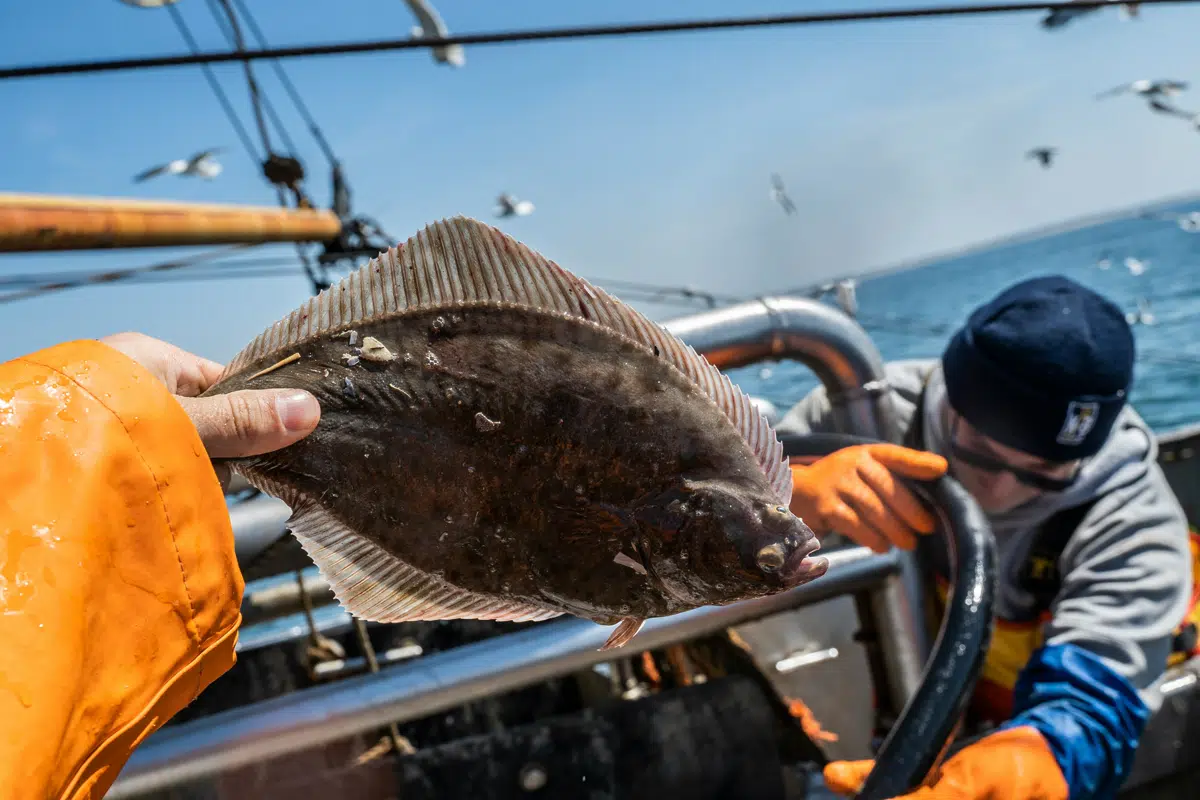
In Atlantic Canada, "turbot" means Greenland halibut (not the European turbot), and China is a major destination for it. Buyers value consistent frozen-at-sea quality, often in whole or head-and-gutted form, and frequently reprocess in China.
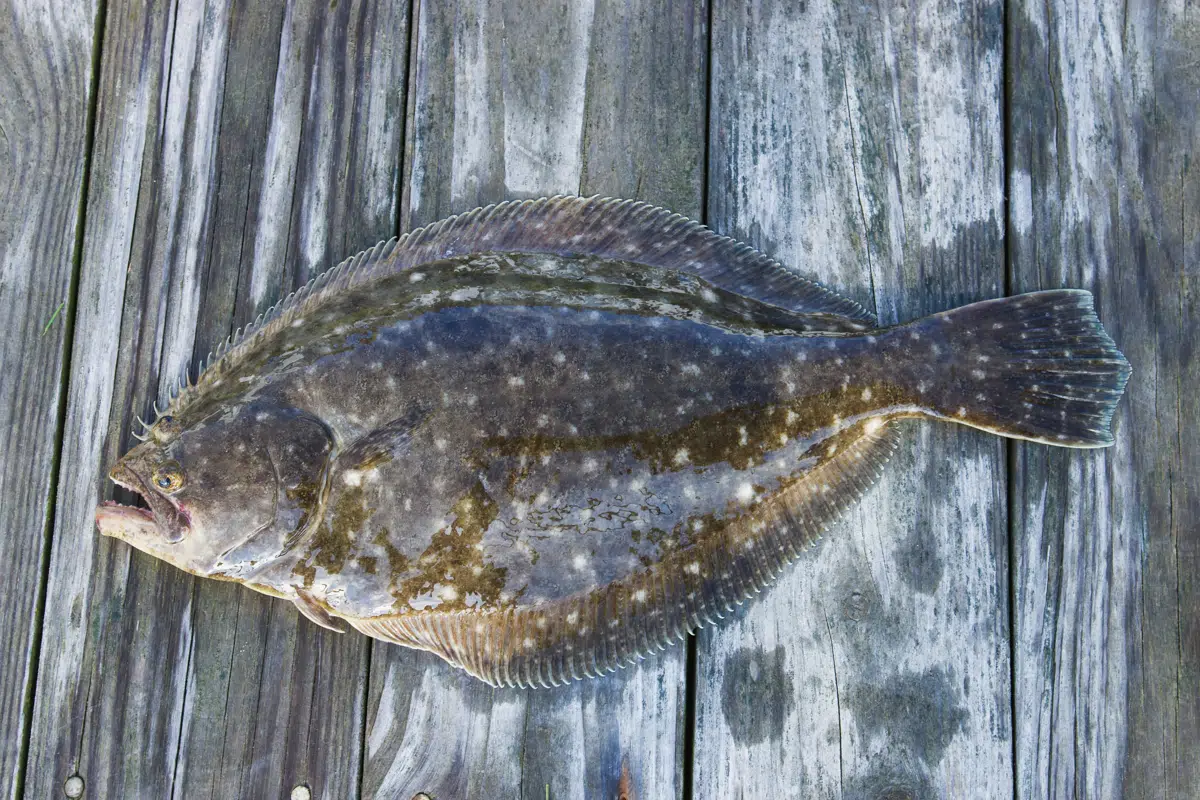
First, the naming: the fish Atlantic Canadians call turbot is Reinhardtius hippoglossoides, and in China it is sold as Greenland halibut. Under that name it has become a familiar premium fish in Chinese retail and dining: rich, high in fat, and well suited to the steaming and braising preparations at the heart of Chinese fish cookery. Whole-fish presentation matters, because a whole fish on the table carries meaning at banquets and family dinners alike.
China buys Canadian turbot in frozen form, mostly whole or head-and-gutted, and a substantial share is reprocessed in Chinese plants into the retail and food-service formats the domestic market wants. That reprocessing trade is exactly why buyers care so much about raw-material consistency: your fish becomes the input to someone else's production line.
Demand firms ahead of Chinese New Year, when whole premium fish are a fixture of holiday tables. With the 25% tariff on Canadian aquatic products suspended since March 1, 2026 and running to the end of 2026, Canadian turbot is competing head-on with other cold-water origins again.
Read the turbot / Greenland halibut export guide →
Product file
| Species | Reinhardtius hippoglossoides |
|---|---|
| Source | Atlantic (NL deep-water fishery) |
| Season | Varies |
| Forms | Frozen: whole, H&G, fillet (incl. frozen-at-sea) |
| Ship method | Reefer (frozen) |
Buyer spec
What buyers pay a premium for
Turbot pricing rewards the boats and plants that treat the fish as an industrial input with a banquet destiny: frozen fast, graded tight, packed identically every time.
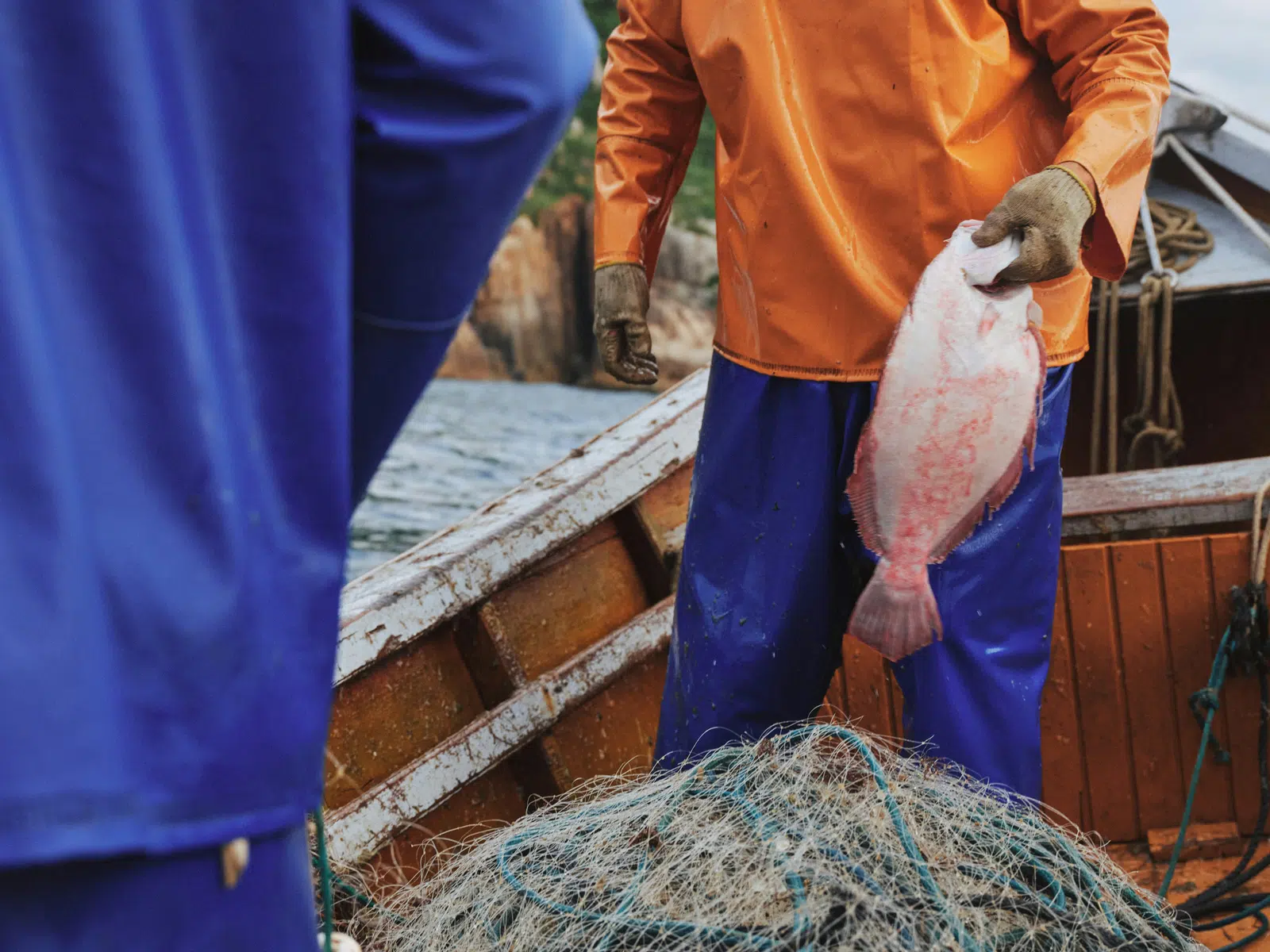
- Frozen-at-sea quality. Fish frozen offshore within hours of the haul locks in quality that no shore process can recover later. Buyers recognise and pay for the frozen-at-sea standard.
- Whole and H&G formats. Whole fish and head-and-gutted are the formats the China trade is built on. Agree the format before cutting; do not default to fillets.
- Size grading. Larger fish command their own tiers, and uniform size within a carton is what a reprocessor's line is calibrated for.
- Glaze and packaging to spec. Correct glaze, correct carton, correct markings. A reprocessing buyer audits inputs the way any manufacturer does.
- Lot-to-lot consistency. A season-long program is won by the shipper whose hundredth pallet matches the first. Variability is the fastest way back to spot pricing.
Logistics
From your dock to China
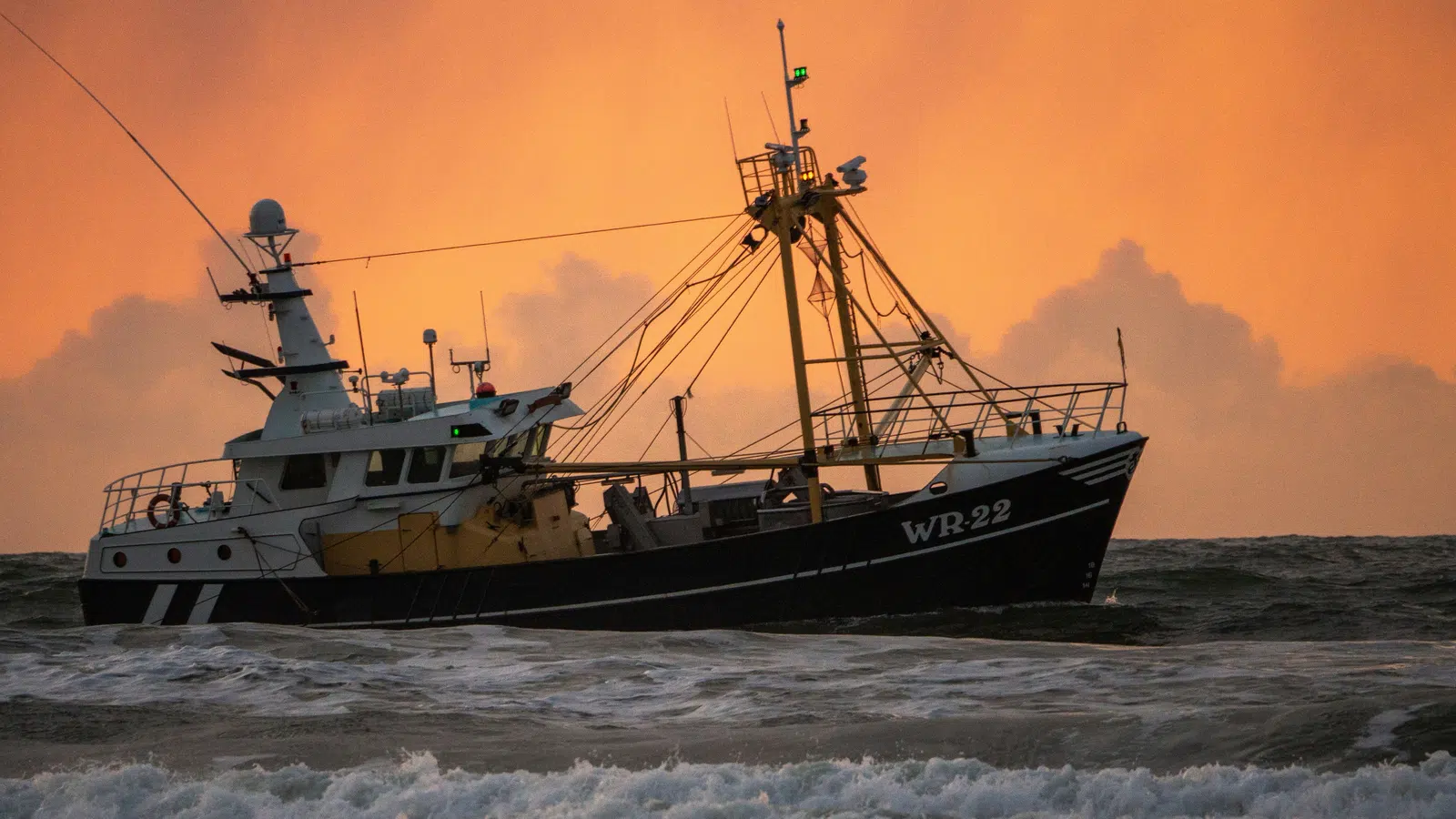
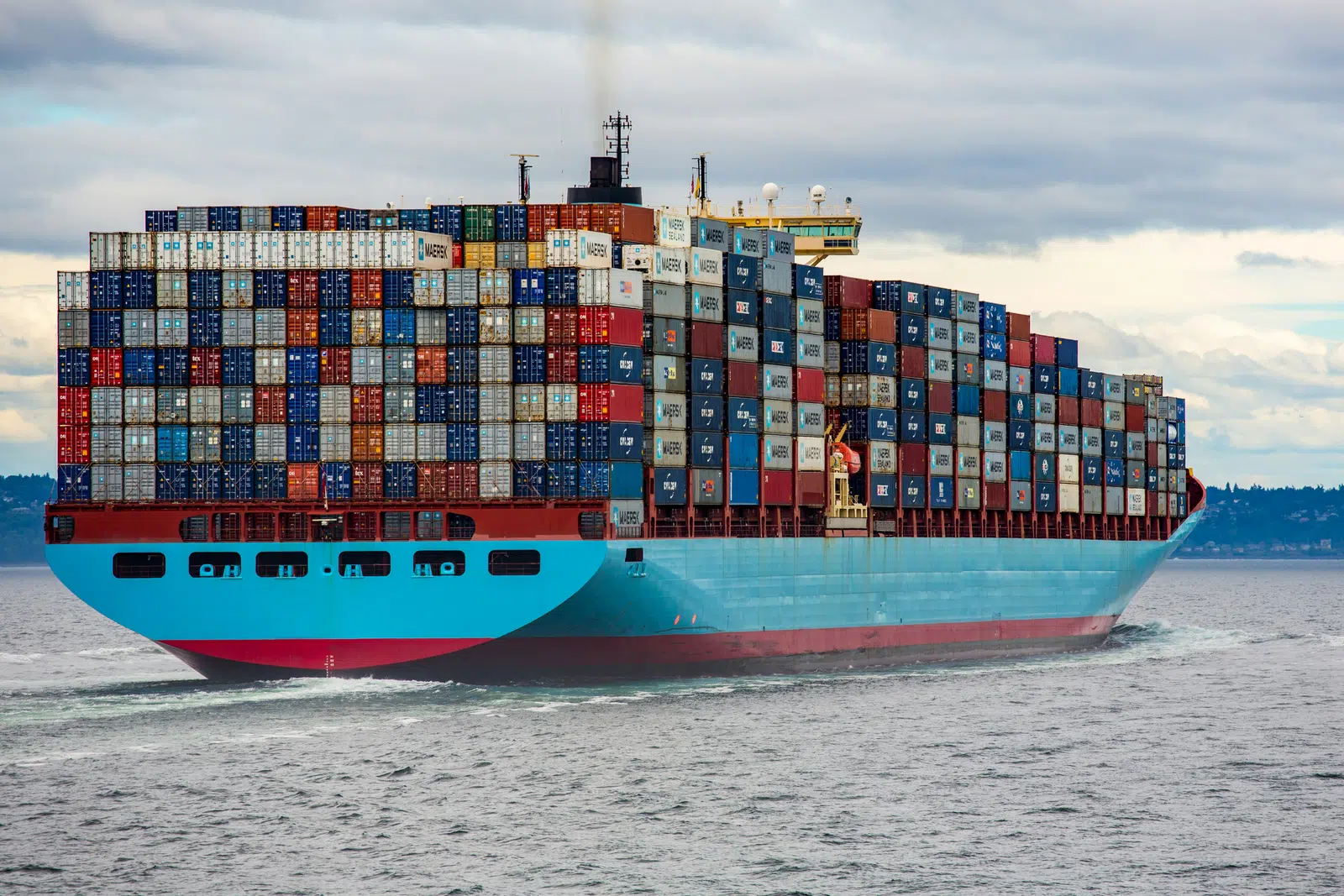
Turbot is a reefer trade. Frozen-at-sea product comes off the vessel already at temperature; shore-frozen product consolidates at the plant. Either way the fish loads into a deep-frozen reefer container, trucks to an Atlantic container port and sails to whichever major Chinese port serves the buyer's plants, northern gateways included. A reefer load can reach any major Chinese port, so the fish goes to the buyer's door, not to a compromise.
The cold chain runs unbroken from hold to plug to discharge, and the documentation (CFIA export certification, GACC-compliant labelling and codes) is prepared with the pack so the container never waits on paper.
The brokerage
How we handle it
For turbot, the brokerage question is simple: can you reach a real reprocessing-scale buyer, on program terms, without carrying the payment risk yourself? That is what we provide.
- A vetted, container-scale China buyer actively purchasing Greenland halibut formats, with the spec sheet agreed before the season.
- Payment secured before the container leaves the dock, so a season of deep-water effort is never exposed to an overseas receivable.
- Success-based commission: we are paid out of completed sales, not fees.
- Aggregation across vessels and plants when one operation's volume will not fill a booking on its own.
- Coordination of the CFIA and GACC pathway: aquatic products are high-risk under GACC, establishments are recommended by CFIA through CIFER, and the regime now runs under Decree 280, which replaced Decree 248 on June 1, 2026. We navigate it; CFIA and GACC issue the approvals.
Go deeper
Guides for turbot / greenland halibut shippers
The turbot / Greenland halibut export guide
Formats, grading and the China lane for NL's deep-water fish.
The turbot / Greenland halibut export guideAt-sea vs onshore processing
Why where you freeze changes what you earn.
At-sea vs onshore processingThe unbroken cold chain to China
Protecting frozen quality from hold to discharge.
The unbroken cold chain to ChinaRelated species
Landing turbot? China knows this fish by name.
Whole or H&G, frozen at sea or ashore: tell us your formats and volumes and we will match them to real Greenland halibut demand, payment secured first.