Home / Sell to China
Sell Your Seafood to China
If you land or process seafood in Canada, there's a strong chance the highest-paying market for it is one you're not selling into. Here's the straight version of what that channel looks like, what it pays for, and how you start without spending a dollar upfront.
NO UPFRONT COSTCONTAINER-SCALE BUYERBOTH COASTS
Who this is for
Built for the operators the big export desks skip
Selling fish to China has always been possible for Canada's largest processors, because they can afford a China desk. This service exists so that everyone else can do it too.
Harvesters
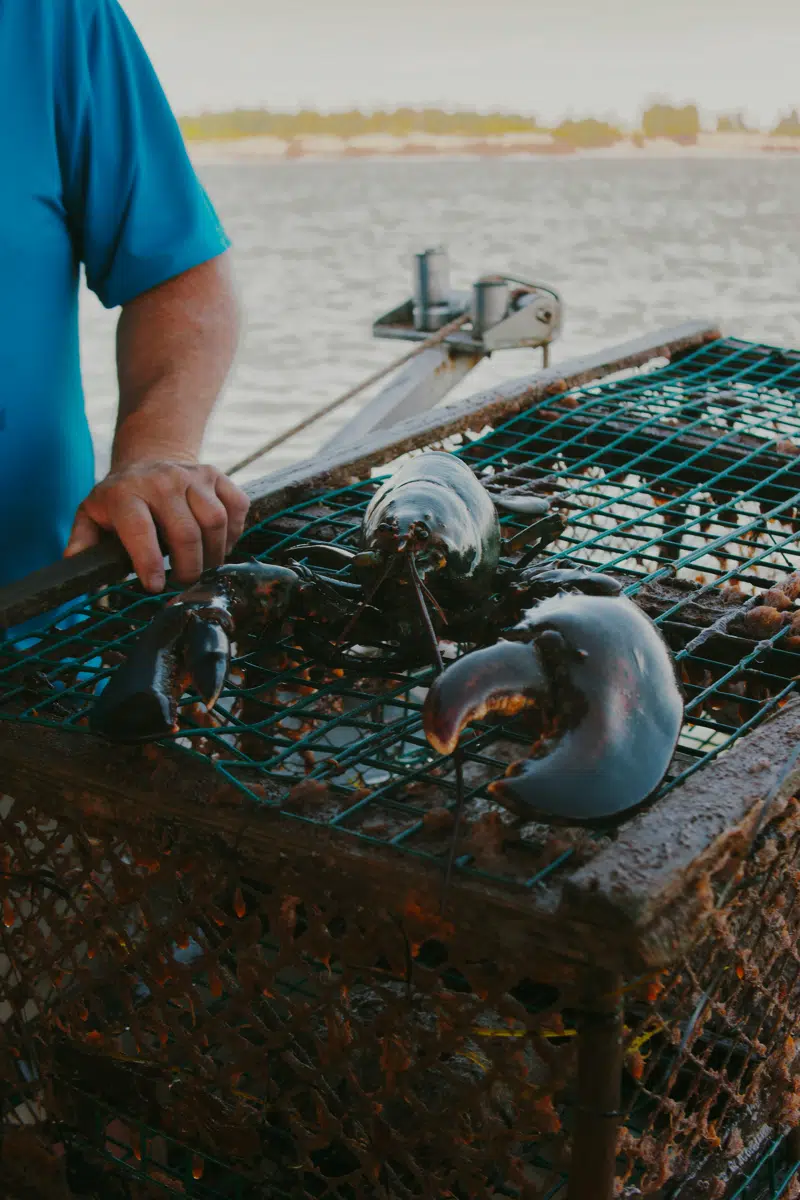
Lobster, crab, geoduck, urchin, groundfish and flatfish: selling to the wharf price and wondering what the animal is worth in the market that actually prizes it. You keep fishing exactly the way you fish now; the difference is where the product goes after it's landed and who is bidding on it.
Independent processors
Plants with quality product and no China desk. These are the exact operations the big processors' export departments out-compete by default, not because the fish is worse, but because nobody on staff speaks to Chinese buyers, tracks GACC rules or books reefer space. We become that department, paid only on results.
Regional exporters
Operations already exporting to the US, Europe or Japan, without a vetted China buyer or the GACC pathway stood up. You already understand export discipline; what you're missing is the counterparty and the China-specific compliance track. That's the part we bring.
Why China, why now
The window is open and the demand is specific
Two things changed recently, and together they are the reason this conversation is worth having this season rather than next.
First, the trade barrier came down. China's 25% tariff on Canadian aquatic products was suspended on March 1, 2026, and the suspension currently runs to the end of 2026. Canadian product that spent a year priced out of the market now lands at full competitive value. We track the status, dated and sourced, on our tariff page, so you are never guessing about the rules your money depends on.
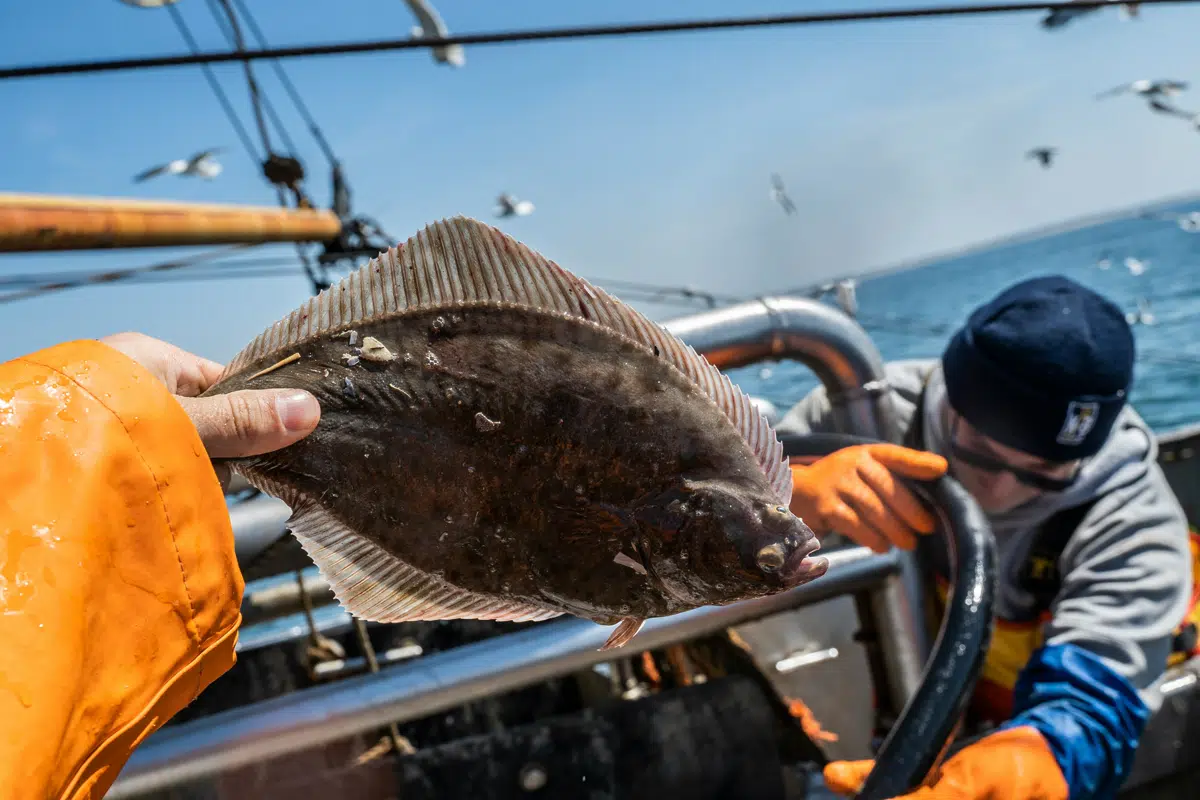
Second, demand for flat species is strong. Our buyer is purchasing halibut, flounder and turbot (sold in China as Greenland halibut) at multiple-container volume. Chinese buyers generally want these as whole fish rather than fillets, which is good news for harvesters: less processing between you and the sale. Product that is flash frozen offshore, at sea within hours of the catch, commands the top of the market, and demand climbs further around the festival calendar, with Chinese New Year and Mid-Autumn Festival driving the biggest peaks. If you fish flat species on either coast, you are holding exactly what this market is asking for.
What the market pays for
Three lanes, one export desk
Frozen flatfish and groundfish
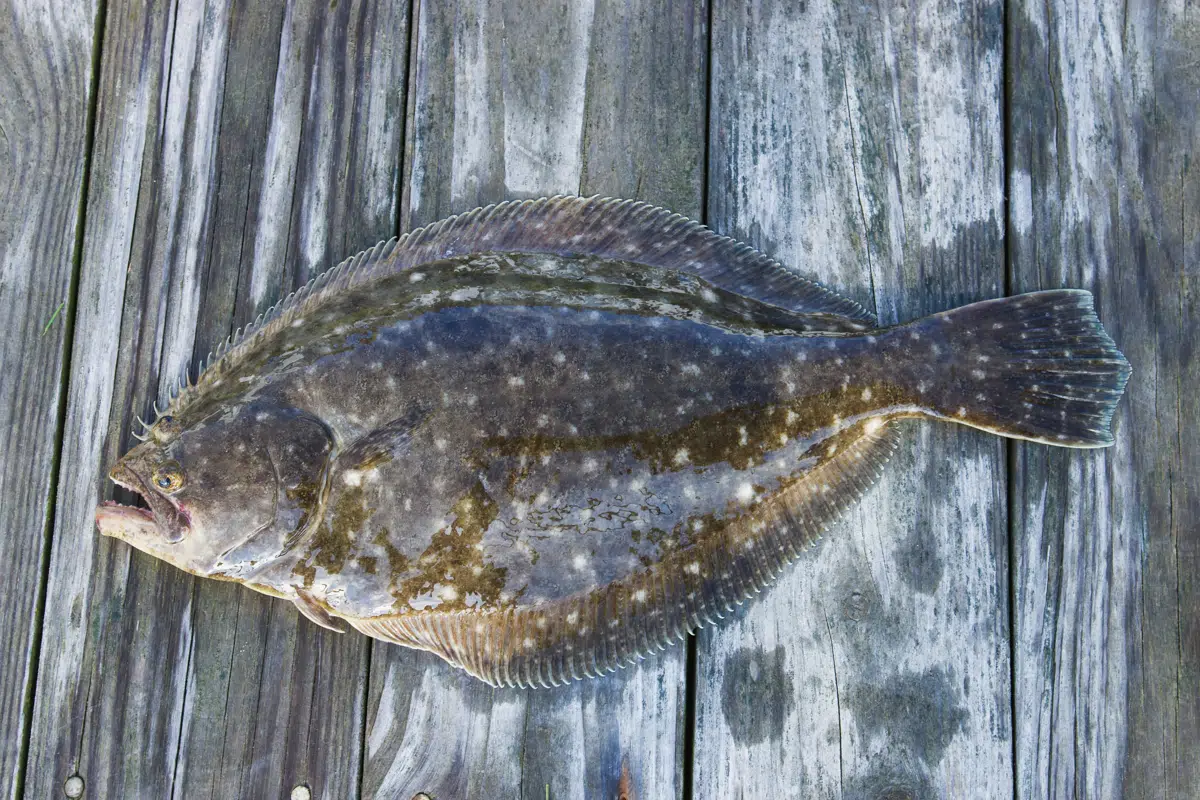
Halibut, flounder, turbot as Greenland halibut, sole. Whole fish, graded by size, flash frozen at sea where possible. Frozen loads ride set-point reefer containers that reach any major Chinese port, so distance from Vancouver or Halifax is not the obstacle it looks like on a map.
Live shellfish
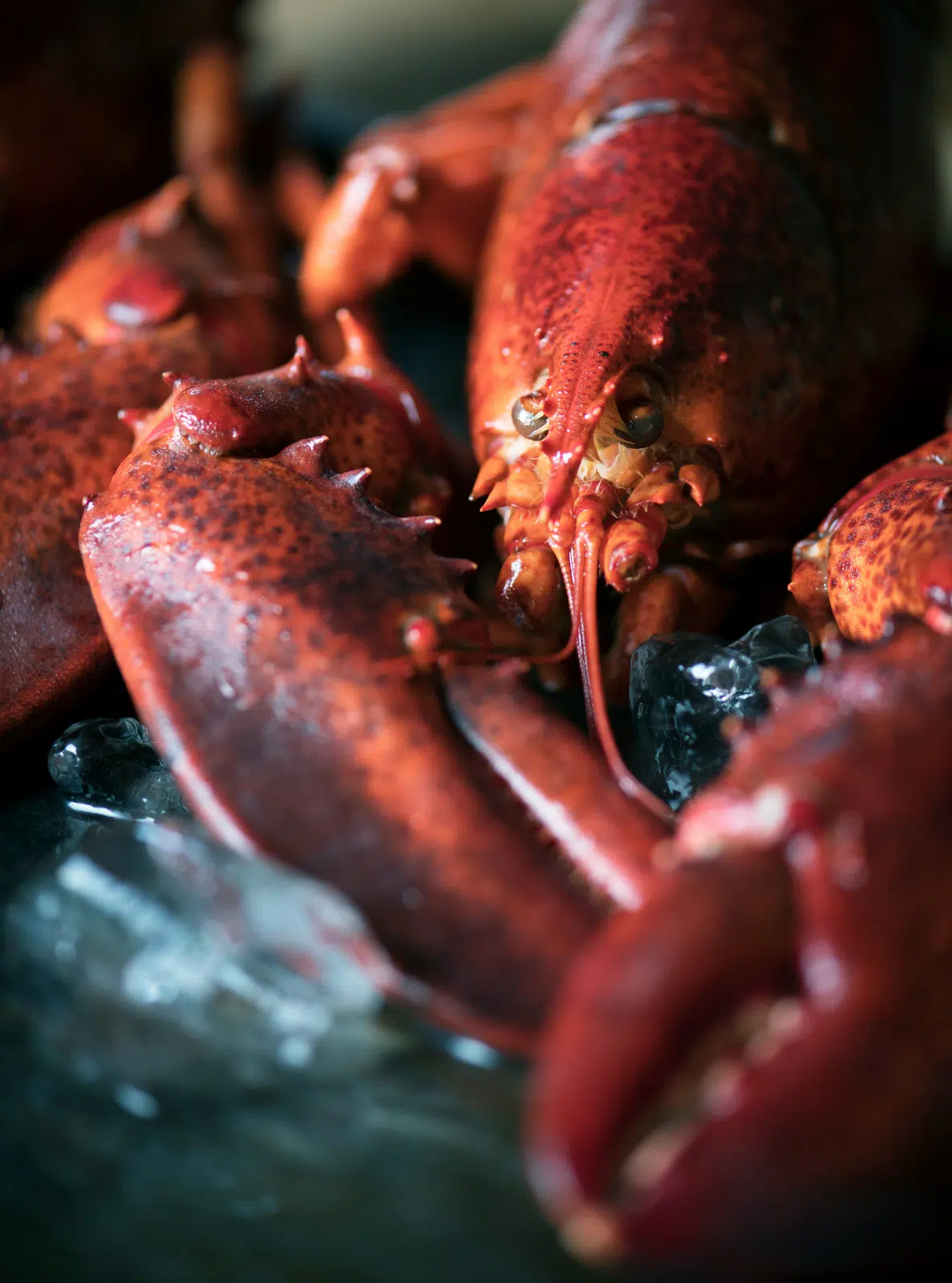
Live lobster, Dungeness and geoduck run the live-hold and air-freight lane. These are banquet and gifting products, and the festival peaks reward suppliers who can hit a delivery window, not just a price.
Premium specialty
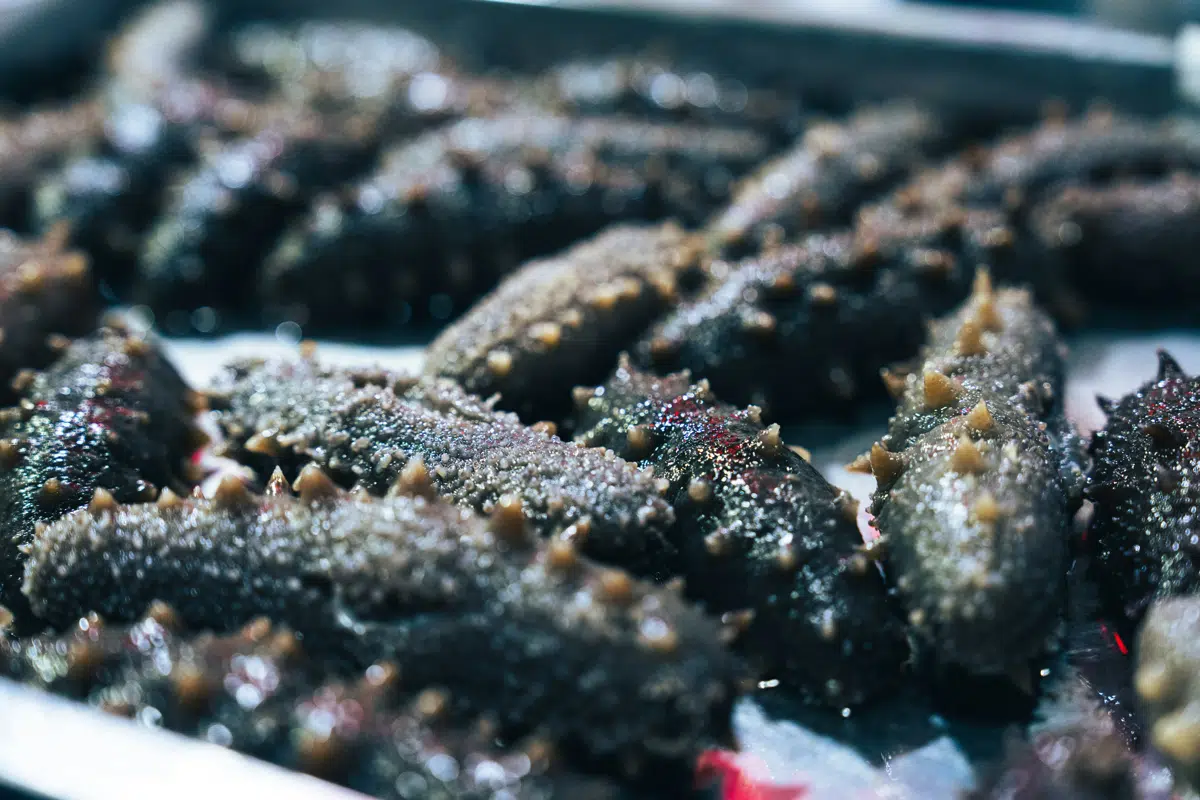
Sea cucumber, sea urchin and geoduck carry some of the highest unit values in the Canada–China trade. Small volumes, exacting grading, and buyers who know precisely what they are looking at.
Price benchmarks, 2026
What Canadian catch is fetching right now
Nobody can quote your price without seeing your product, but you should not have to guess the ballpark either. These are publicly reported Canadian dock benchmarks from the 2026 season, the baseline any export conversation starts from.
| Species | Public 2026 benchmark (CAD, dock/shore) | What moves the number |
|---|---|---|
| Live lobster | Roughly $7.00 to $9.50/lb through the 2026 season, moving weekly with the market formula; southwest Nova Scotia shore prices around the $9 mark were reported this season | Season, weekly market movement, vigour and grade; banquet-season timing pays |
| Snow crab | $5.30/lb opening minimum set by the Newfoundland price-setting panel, up from $4.97 in 2025 | Section size and count, glaze spec, lot consistency |
| Halibut, turbot, flounder | Set lot by lot: size grade, whole-fish form and freeze method decide the tier | Whole fish flash frozen offshore grades to the top of the market; demand is strong at multiple-container volume |
Benchmarks are publicly reported Canadian dock/shore figures as of July 2026, shown for orientation only. They move weekly, they are not our quote, and they are not what the China channel pays. What your catch is worth in China depends on species, grade, form and timing: that is exactly the read we give you, dated and in writing, before you commit to anything.
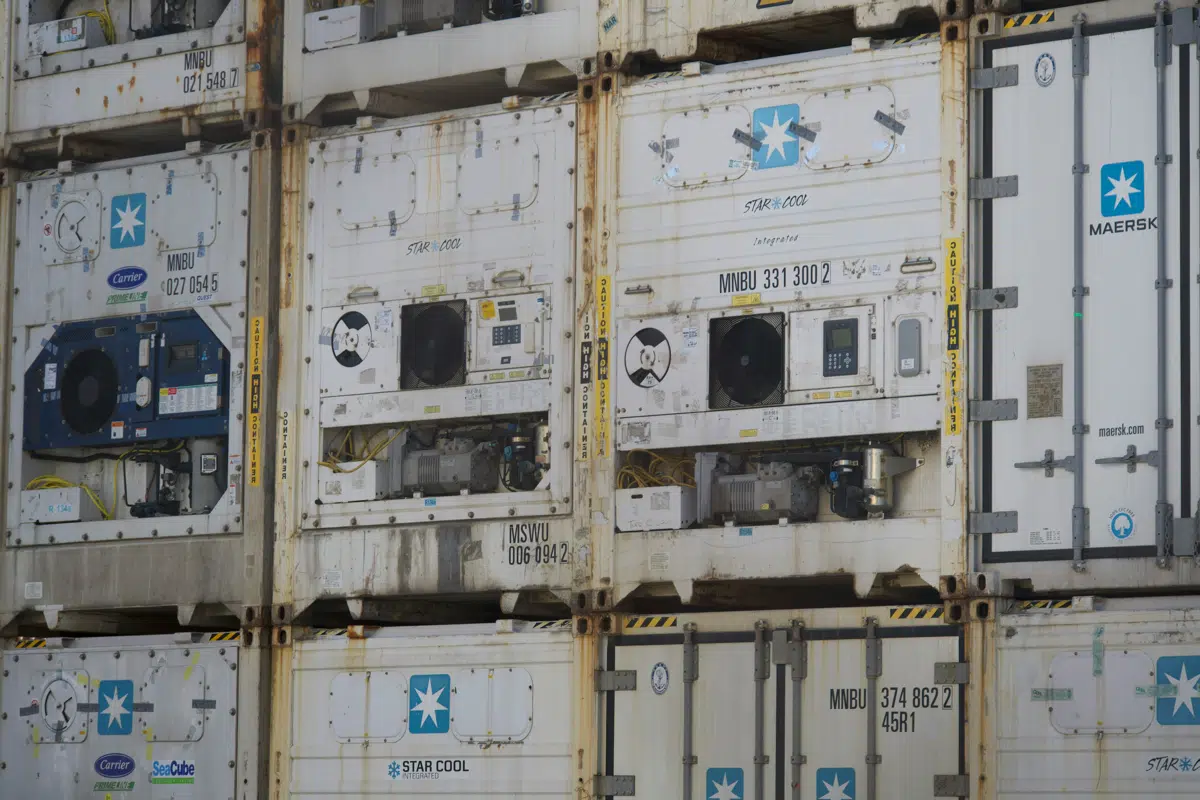
Reefer containers reach any major Chinese port
The honest pitch
What the China channel offers, and what it asks
Every export channel is a trade. Here is both sides of this one, stated plainly, because you should walk into it with your eyes open.
- A premium market. Live product, banquet-grade seafood and graded frozen volume all price above the generic channel, and the tariff window is open through end-2026.
- A buyer already at the table. Ours is specific, vetted and met in person, purchasing at container scale on a recurring basis. You are not being listed on a marketplace and hoping.
- Zero upfront risk. Success-based commission on completed deals; payment structured so your money is secured before product leaves your control. The mechanism, in plain language.
- Small volumes welcome. We aggregate supply across operators to hit buyer scale, so a few pallets can price like a container. Here is how that works.
- The paperwork carried with you. GACC registration navigation, CFIA certification coordination, labelling and HS/CIQ codes: we run the pathway so you are not learning two regulatory systems on your own time.
- Honest grading. The buyer's spec is confirmed before packing; the premium attaches to lots that match it. A lot that grades below spec on arrival costs everyone, starting with your reputation in the program.
- Licensing in order. SFC licence and establishment standing; if there are gaps, we help you close them, but they do need closing before product ships.
- Schedule discipline. Consolidated loads and booked flights mean your slot matters. Aggregation only works when every contributor lands their piece on time.
- Patience for the pathway. Aquatic products are treated as high-risk under GACC, so CFIA must recommend establishments through the CIFER system before China lists them. That takes time. Suppliers who start before the buyer deadline are the ones who ship inside it.
How a first deal actually runs
From a phone call to a paid invoice
- You tell us what you land. Species, forms, rough volumes, current channel. We give you a straight read on where that product sits in the China market, including "this isn't worth exporting" when that's the truth.
- We confirm demand and spec. The buyer's requirement, in writing: species, form, size tiers, packing, marks. No packing starts until the spec is agreed.
- We stand up the compliance track. If your establishment isn't yet registered for China, we navigate the GACC and CFIA pathway with you. If it is, this step is fast.
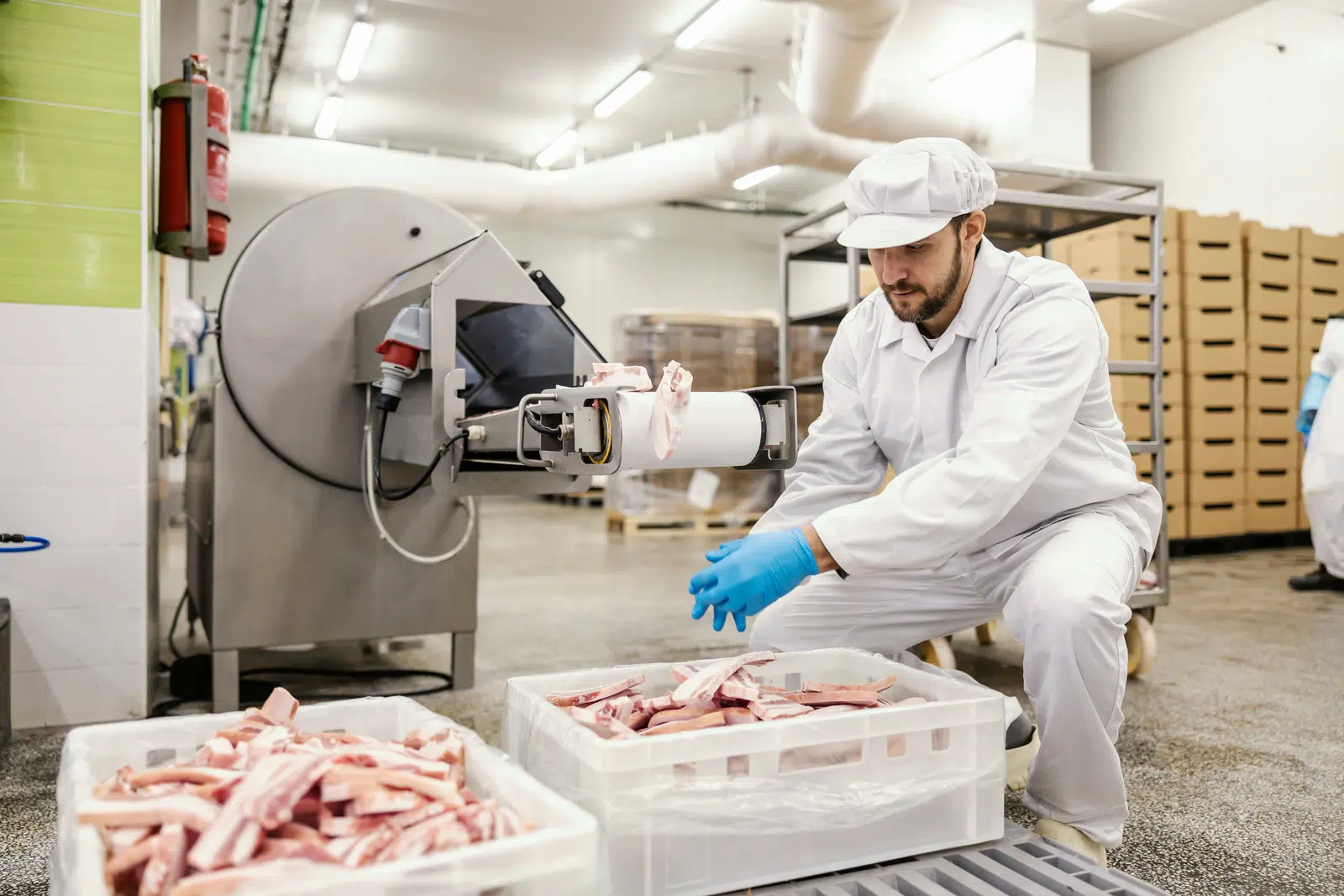
- Product moves on a documented cold chain. Frozen by reefer container, live by air. Unbroken, logged and provable, because documentation is what turns arrival into acceptance instead of an argument.
- You are paid on secured terms. The structure is agreed before anything is packed, and payment is secured before product leaves the dock.
Common objections, straight answers
The questions a skeptical operator should ask
"Isn't China closed because of tariffs?"
Out of date. The 25% tariff of 2025 was suspended March 1, 2026, through end-2026. Coverage is confirmed per species in every deal, and the picture is kept dated and sourced on the tariff status page. The suspension is exactly why timing matters: suppliers who move while the window is open are the ones who benefit from it.
"I'm too small for export."
Alone, maybe. Aggregated, no. We consolidate supply from multiple operators into container-scale orders graded to one spec. Your lot rides inside a container it couldn't fill alone, and prices like it. This is the same mechanic the large processors use internally across their own plants; aggregation simply makes it available at wharf scale.
"How do I know I'll get paid?"
Because the deal is structured that way before anything ships: deposit plus balance against documents, or title held until funds clear. Your money is secured before product leaves the dock, and the structure is in writing per deal. The mechanism, in plain language.
"What does this cost me?"
Nothing upfront. A disclosed commission on completed deals only. No retainers, no listing fees, no charges for the compliance navigation. If it doesn't sell and ship, you pay nothing, which means our incentive is identical to yours.
"Is the paperwork on me?"
The obligations are legally yours as the exporter, but the navigation is ours. GACC registration under Decree 280 (which replaced Decree 248 on June 1, 2026), CFIA recommendation through CIFER, health certificates, registration-numbered labelling, HS/CIQ codes: we coordinate all of it with you and the agencies that issue the documents. To be clear, CFIA and GACC issue certificates and registrations, not us; our job is making sure your file gets through their systems correctly the first time.
"Why whole fish? I could fillet and add value."
Because that's what the buyer pays a premium for. Chinese banquet and retail culture prefers whole fish, and for flat species in particular the market rewards intact, well-graded, flash-frozen whole product over processed forms. Selling the market what it wants usually nets more than adding processing cost the market doesn't value. Details in our flatfish export guide.
"What's your track record?"
We won't invent a history. What we have is structural: the vetted buyer, a partner on the ground in China, the compliance pathway mapped under the current rules, and terms where we only earn when you do. Judge us on specificity: here are the questions to grill us with.
"My paperwork isn't set up for China."
Almost nobody's is at the start; that's the service. GACC registration under Decree 280, CFIA coordination, documentation: the pathway we navigate with you. The only real mistake is waiting until you have a buyer deadline to begin.
Further reading
Guides for suppliers weighing the China channel
How to export seafood to China from Canada
The end-to-end walkthrough: registration, certification, cold chain and payment, in one guide.
Exporting Canadian flatfish to China
Why halibut, flounder and turbot are in demand, what the buyer's spec looks like, and how whole fish grades.
How to price your catch for China
What drives the premium over the wharf price, and how grading, form and timing move your number.
Tell us what you land.
Species, rough volumes, current channel. We'll give you a straight read on where your product sits in the China market. No obligation, nothing upfront.