Canada’s flatfish complex spans a premium product and a volume trade, and China buys both, differently.
Halibut: the premium end
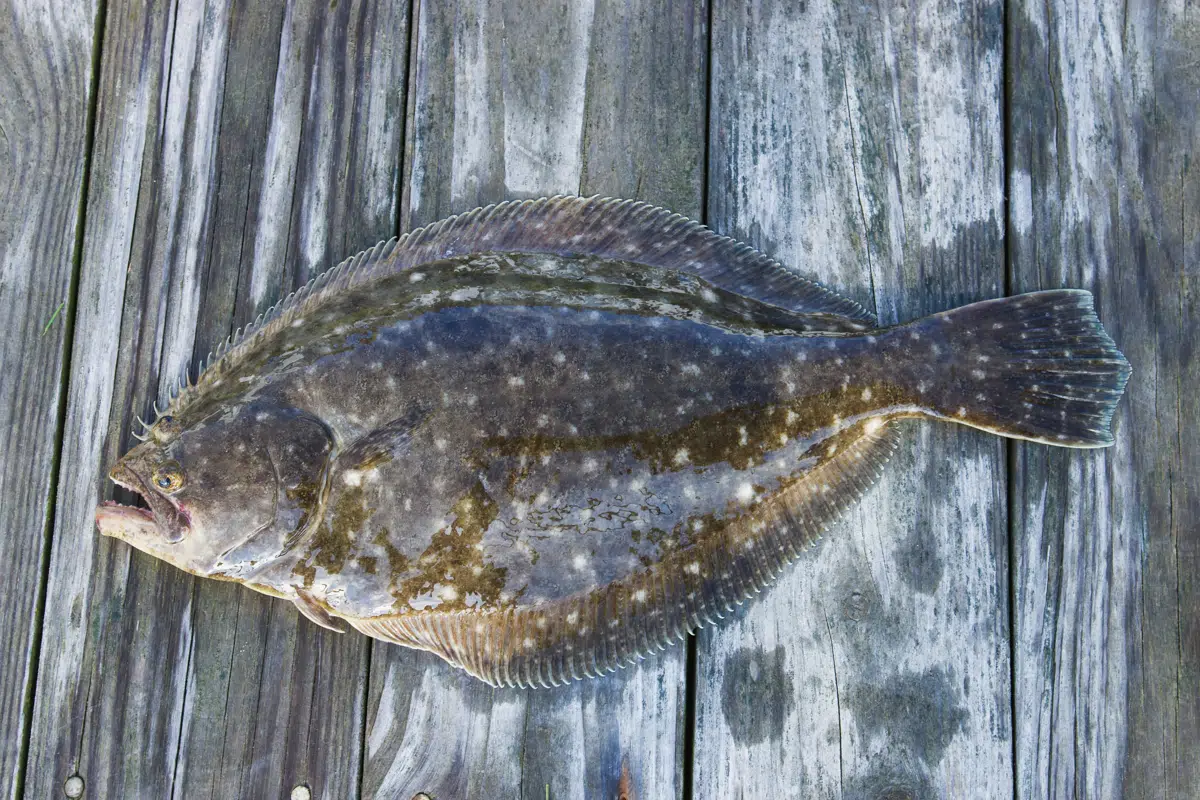
Atlantic (Hippoglossus hippoglossus) and Pacific (H. stenolepis) halibut sit at the premium end of the finfish trade: big, firm, white-fleshed fish moving fresh by air and frozen by reefer. The buyer preference that surprises first-timers: whole and head-on presentation is often preferred. It proves freshness, suits whole-fish banquet service, and preserves parts the market values. Confirm the form before the knife moves; filleting by default can process value away.
Flounder and sole: the volume trade
Yellowtail, witch (grey sole), American plaice, winter flounder: the Pleuronectidae complex is volume groundfish, moving as frozen fillets and whole fish moving by container, priced on species, size and cut consistency. This is a program business: steady graded volume, packed and coded properly, shipping on schedule. Where one plant runs short of container scale, aggregation closes the gap, and flatfish is a natural fit.
Shared disciplines
Both ends of the complex run the same spine: the export pathway (CFIA licensing, GACC registration, documentation), grading to the buyer’s sheet, and the unbroken cold chain for frozen product. Fresh halibut adds the air-freight clock; frozen adds the reefer schedule.
Choosing your play
Premium halibut rewards presentation and speed; volume flatfish rewards consistency and cadence. Plenty of operations run both: a fresh program skimming the premium while frozen volume anchors the base.
Either way, the China question is the same: is your product reaching the buyer that pays most for it? Halibut · Flounder / sole · Tell us what you land.