Every China-bound product faces one fork first: does it fly live, or ride frozen? The answer decides your costs, your risk profile and often your price tier. Here’s the decision guide.
The live lane: air freight
Fits: lobster, geoduck, Dungeness crab, fresh uni. Why: China’s live premium; banquet and live-tank culture pays for vigorous arrival. Economics: high freight cost per kilo, highest price per kilo, survivability risk carried in the pack-out. Discipline: conditioning, strength grading, insulated oxygen-supported packing, harvest timed to the flight. Details: live seafood & air freight.
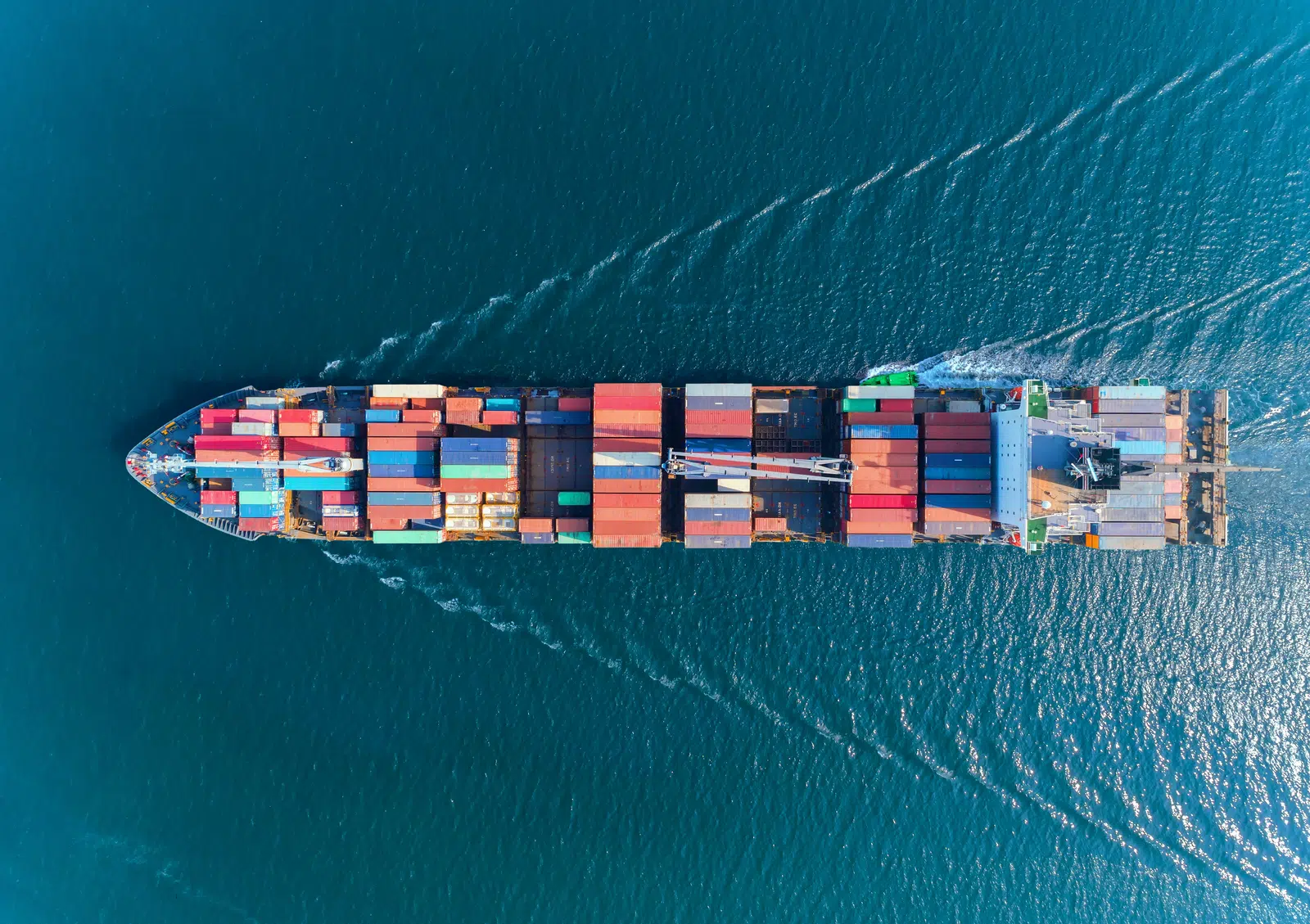
The frozen lane: reefer ocean freight
Fits: snow crab sections, turbot/Greenland halibut, flatfish, sea cucumber, frozen roe. Why: volume economics. A reefer container moves tonnes at a fraction of air cost, holding set-point temperature end to end. Discipline: freeze to spec (at sea or onshore), uniform grading, unbroken cold chain, documentation matching the load. Details: reefer & cold chain.
How to choose when your species could do either
Dungeness, halibut and urchin genuinely swing both ways. The questions that settle it:
- What does the buyer’s channel want? Live-tank retail needs live; reprocessing and banquet kitchens often prefer frozen at spec.
- Can you deliver survivability? Live is unforgiving: weak animals grade down or die, and a dead arrival is a loss, not a discount.
- What volume are you moving? Air suits high-value smaller consignments; a container needs container volume (or aggregation).
- What does the calendar say? Festival peaks favour live; steady-state programs favour reefer.
The mixed answer is common
Plenty of programs run both: live product flying into festival windows while frozen volume rides containers year-round. The lanes aren’t rivals; they’re a portfolio.
We route product to the lane that nets you more, not the one that’s easier for us, and we’ll show the math. Ask how we’d move yours.