Why the buyer pays for it: China's banquet, gifting and live-tank retail culture puts the premium on live product: diners select live animals, and "alive" is the ultimate freshness proof. Vigorous arrival earns top price; weak or dead arrival is a loss, not a discount. Demand spikes around Chinese New Year and Mid-Autumn Festival.
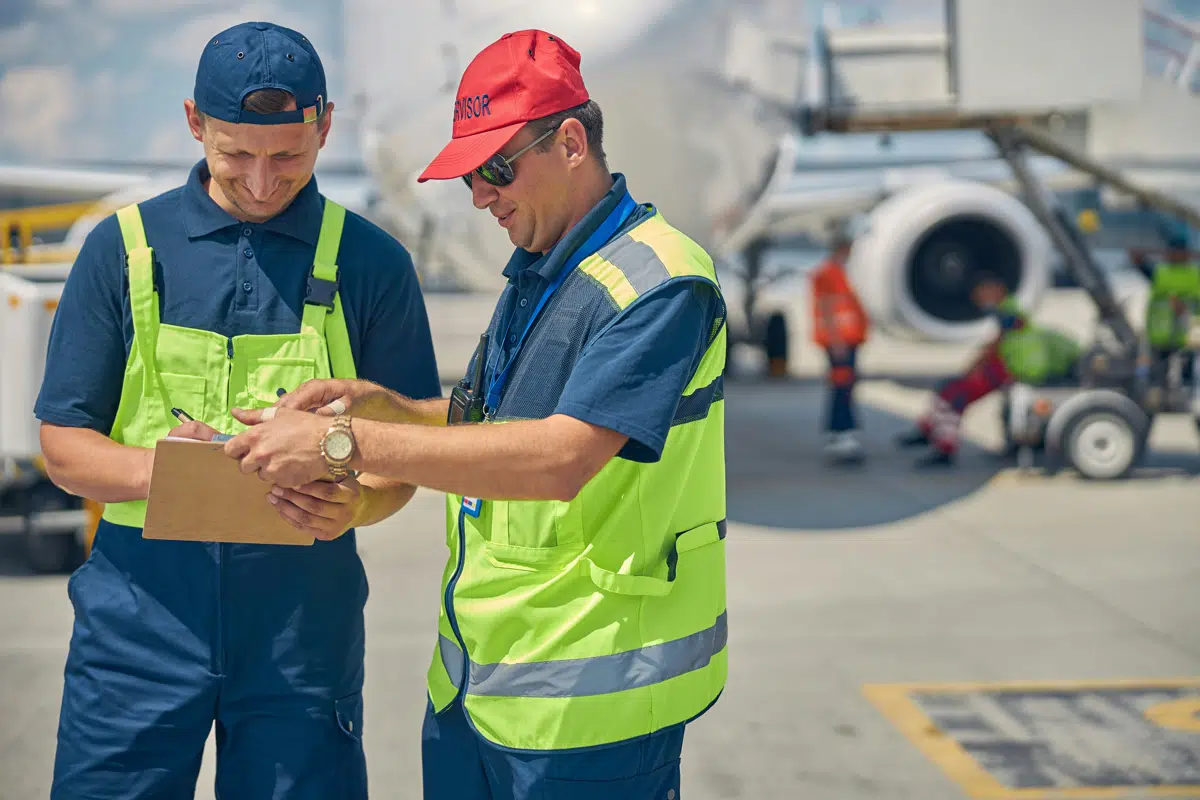
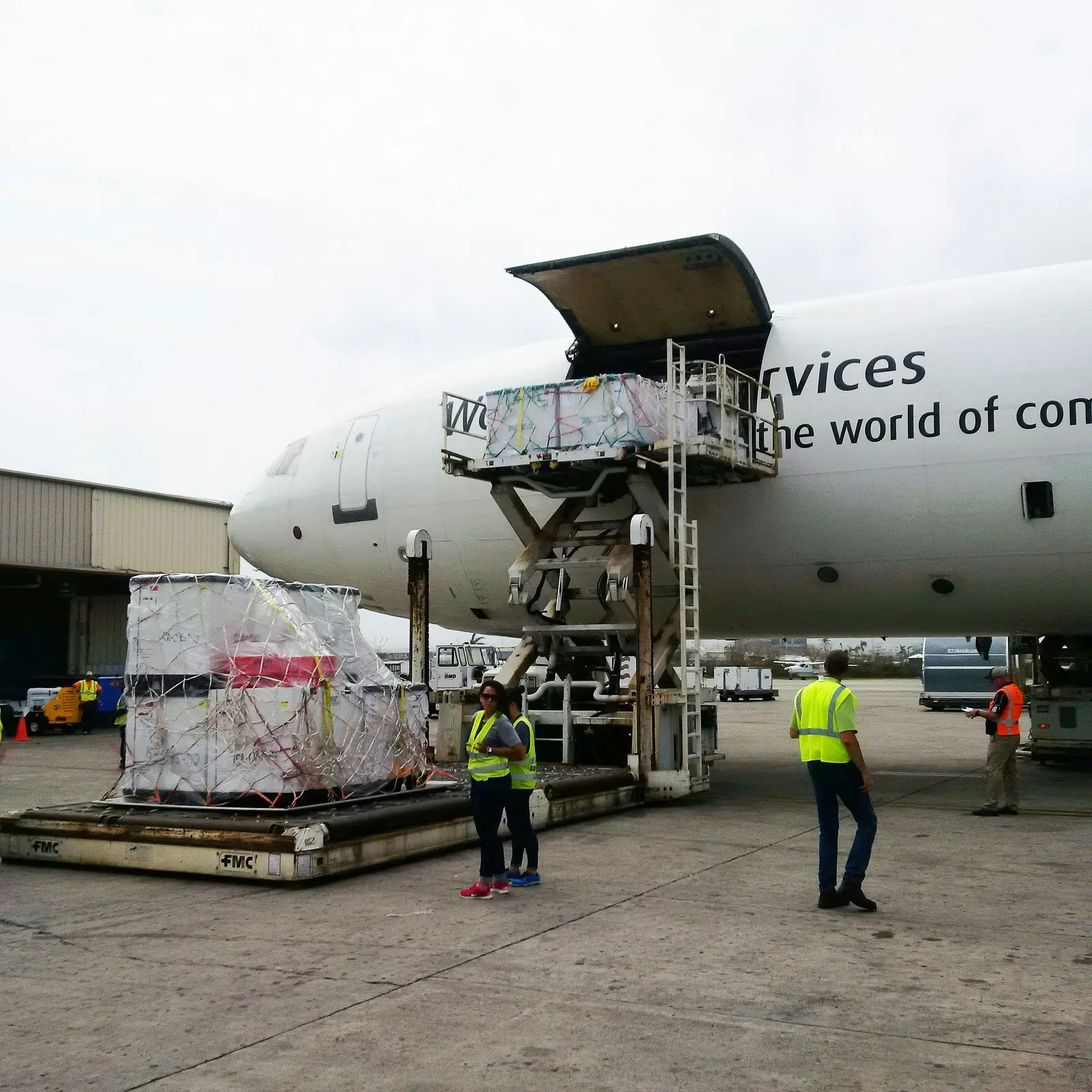
The live lane runs: holding and conditioning after harvest, grading for strength, packing in insulated boxes with gel packs and oxygen support, a fast cool-chain run to the airport, and a booked air lane into China. Every hour matters; the harvest is timed to the flight, not the other way around. That inversion is the whole discipline: a strong animal packed late beats a strong animal packed early and left waiting.
Conditioning is the underrated step. Animals straight off the boat are stressed, and stressed animals travel badly. Holding time in cold, clean water lets them settle and lets weak animals show themselves before they are paid for a seat on an aircraft. Grading for vigour at the packing table, not just size, is what separates a shipper whose loads arrive lively from one whose loads arrive as claims.
Canada's gateways make this work (Halifax and Toronto for Atlantic lobster, Vancouver for BC's live trade), feeding the air corridors into Shanghai, Guangzhou and Hong Kong. The paperwork obligations do not relax because the product is alive: the shipment still travels with certification issued through CFIA processes, and the exporting establishment still has to hold the right standing on both the Canadian and Chinese sides. We coordinate that alongside the booking so the animals never wait on documents.
Festival timing is a planning discipline of its own: capacity is booked early and harvests are planned back from the demand peak. Chinese New Year and Mid-Autumn are when festival demand peaks and when air capacity tightens, so the suppliers who win those windows are the ones whose plan was set months before. We run that calendar with you: booking, packing spec, harvest window, all counted backwards from the date the buyer's tanks need to fill.
The commercial structure mirrors our frozen lanes: payment is secured before product leaves the dock, and our commission is success-based. You deliver strong, well-graded animals to the plan; the buyer, the booking, the paperwork and the payment risk are ours to carry.
Go deeper
Shipping & handling
Success-based, dock-secured
Payment is secured before product leaves the dock, and our fee is a success-based commission. You are paid for what ships; we are paid when it sells.
What this means for you
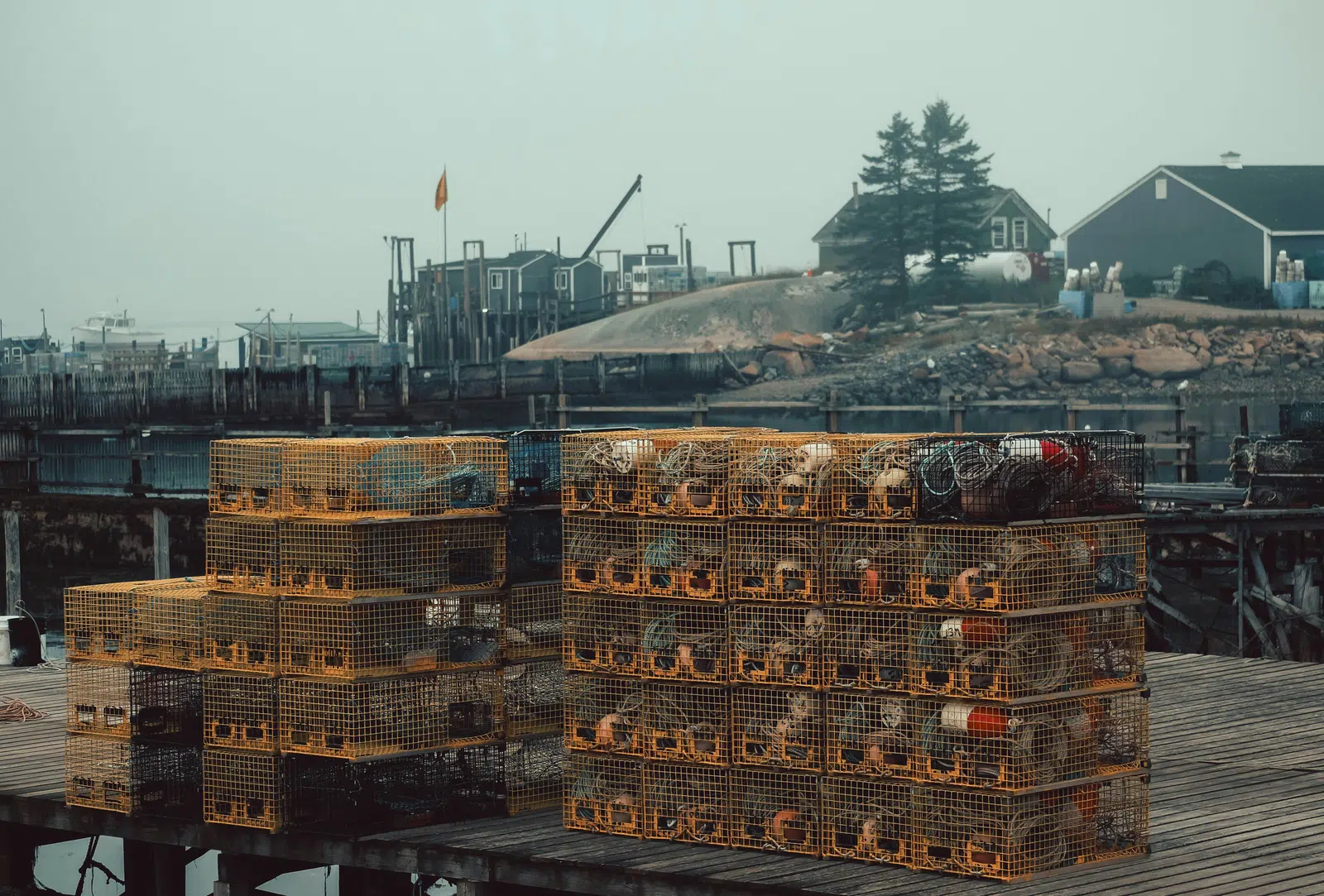
If you harvest lobster, crab or geoduck, the live lane is where China pays its strongest premium, and the difference between premium and loss is almost entirely planning and handling.
- Harvest is scheduled to the flight. A confirmed booking comes before the boat leaves.
- Grade for vigour, not just size: weak animals cost more than they earn.
- Festival windows are won months in advance; tell us your season early.
- Geoduck programs are structured per deal, with tariff coverage verified per deal.
Division of labour
What we handle, what you handle
We handle
- The buyer, the order size and the arrival-condition expectations
- Air capacity booking, including festival-window planning
- Packing spec: insulation, gel packs, oxygen support, box marks
- Certification coordination and the export documentation set
- Payment secured before the shipment leaves, on success-based commission
You handle
- Gentle handling from haul to holding
- Holding and conditioning in cold, clean water
- Vigour and size grading at the packing table
- Meeting the harvest window that the flight plan sets
Before a live shipment flies
- Air booking confirmed before harvest is scheduled
- Holding capacity and water quality checked for the volume
- Packing materials on hand to the agreed spec
- Vigour grading done at packing, weak animals pulled
- Documentation set complete and matched to the shipment
- Ground run to the airport planned with no warm dwell
Related reading
How live lobster and geoduck arrive alive
The handling chain that gets a live animal from a Canadian wharf to a Chinese tank in selling condition.
How live lobster and geoduck arrive aliveExporting live lobster to China
The full live-lobster pathway: seasons, gateways, festival peaks and what the buyer pays for.
Exporting live lobster to ChinaFestival demand and seafood prices
Why Chinese New Year and Mid-Autumn move the market, and how to plan a season around them.
Festival demand and seafood pricesFlatfish demand in China is strong right now.
Our buyer is purchasing halibut, flounder and turbot at multiple-container volume: whole fish, flash frozen offshore. Tell us what you land and get a real price read, with nothing owed unless your product sells and ships.